Top Tips to Improve Kilimanjaro Trekking Endurance – Overview
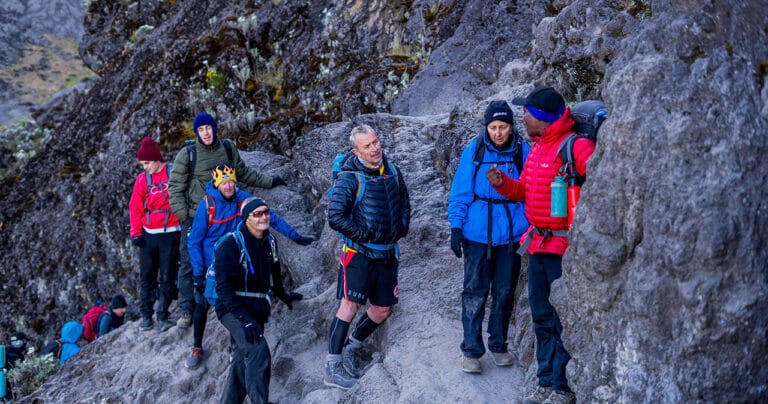
Climbing Mount Kilimanjaro, Africa’s highest peak at 5,895 meters, is a physically demanding adventure that requires stamina, mental resilience, and proper preparation. Endurance is key to reaching Uhuru Peak safely and enjoying the journey across diverse climates and terrains. This guide shares 11 proven ways to boost your hiking endurance for Kilimanjaro in 2025 and beyond.25 and beyond.
11 Ways to Boost Your Hiking Endurance for Climbing Mount Kilimanjaro
1. Start Cardiovascular Training Early
Cardio exercises improve heart and lung capacity, essential for high-altitude trekking.
Activities include running, cycling, swimming, and brisk walking
Train 3–5 times per week for 8–12 weeks before your trek
Include interval training to simulate mountain exertion
Tip: Focus on building stamina rather than speed for better endurance on the climb.
2. Hike with a Weighted Backpack
Carrying weight while hiking prepares your body for trekking conditions.
Start with 5–10 kg and gradually increase
Mimics the weight of gear and supplies you’ll carry
Strengthens back, shoulders, and leg muscles
Tip: Use a proper backpack and maintain good posture during training hikes.
3. Incorporate Long Hikes on Varied Terrain
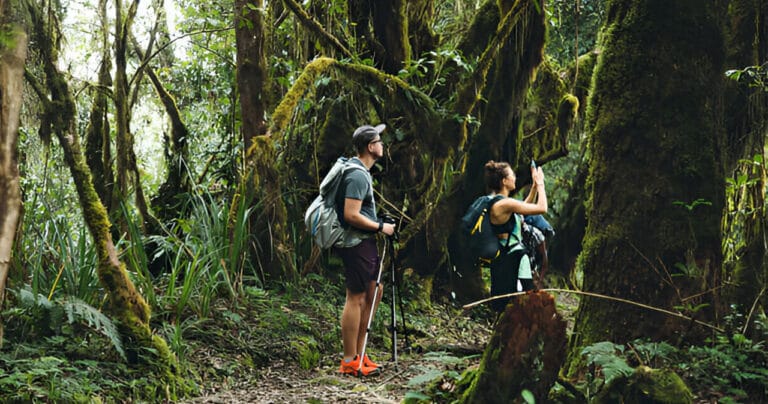
Hiking on trails, hills, and rocky paths simulates Kilimanjaro conditions.
Practice on uneven surfaces to improve balance
Include ascents and descents to strengthen different muscle groups
Gradually increase distance and elevation gain
Tip: Weekend hikes are ideal for building both stamina and confidence.
4. Strengthen Your Legs and Core
Strong legs and core reduce fatigue during long treks.
Exercises: squats, lunges, step-ups, planks, and leg presses
Train 2–3 times per week alongside cardio
Focus on endurance rather than heavy weightlifting
Tip: Include flexibility exercises like yoga to prevent injuries.
5. Practice Stair Climbing
Stair climbing is an effective way to build climbing endurance.
Use stadium stairs, stair machines, or steep inclines
Incorporate weighted backpacks for realism
Train for at least 20–40 minutes per session
Tip: Gradually increase duration and intensity to mimic high-altitude fatigue.
6. Train at Higher Altitudes if Possible
Altitude training helps your body adjust to lower oxygen levels.
Hike or run in high-altitude areas if available
Use altitude masks cautiously as a supplement
Simulate reduced oxygen conditions with gradual acclimatization
Tip: Even a few training sessions at higher elevation can improve oxygen efficiency.
7. Maintain a Healthy Diet
Nutrition plays a critical role in endurance and energy levels.
Focus on complex carbs, lean proteins, and healthy fats
Stay hydrated before, during, and after training
Include iron-rich foods to support red blood cell production
Tip: Avoid excessive processed foods and sugars that reduce stamina.
8. Practice Mental Endurance
Climbing Kilimanjaro is as much mental as physical.
Visualize challenging sections of the trek
Train for long, slow hikes to simulate mental fatigue
Use meditation or mindfulness techniques to improve focus
Tip: Break the climb into manageable goals — one day, one section at a time.
9. Gradually Increase Hike Duration
Endurance improves with longer exposure to sustained activity.
Start with 1–2 hour hikes, gradually increase to 4–6 hours
Include back-to-back long hikes to simulate multi-day trekking
Monitor recovery and avoid overtraining
Tip: Rest and sleep are crucial for building true endurance.
10. Use Trekking Poles During Training
Poles improve balance and reduce stress on knees during ascents and descents.
Practice using them on hikes to develop rhythm and coordination
Strengthens arms and shoulders alongside legs
Helps maintain consistent pacing during long treks
Tip: Adjust pole height to your comfort and terrain for maximum benefit.
11. Track Progress and Stay Consistent
Consistency and tracking help measure improvements and keep motivation high.
Use a fitness app or journal to record distance, elevation, and duration
Gradually increase intensity while monitoring fatigue
Celebrate milestones to stay motivated
Tip: Consistent training over several weeks ensures better results on the climb.
Why Boost Hiking Endurance for Kilimanjaro?
Improves chances of a successful summit
Reduces fatigue, soreness, and risk of injury
Enhances enjoyment of the diverse landscapes and climates
Builds confidence for the physical and mental challenge
Prepares you for the unique demands of high-altitude trekking
FAQs About Hiking Endurance for Kilimanjaro
1. How long should I train before climbing Kilimanjaro?
Ideally, 8–12 weeks of consistent training focusing on cardio, strength, and endurance.
2. Can beginners build enough endurance?
Yes, with structured training and gradual progression, beginners can successfully summit.
3. How important is altitude training?
It helps your body adjust to lower oxygen levels, reducing the risk of altitude sickness.
4. Should I train with a weighted backpack?
Yes, it simulates trekking conditions and strengthens muscles needed for carrying gear.
5. What types of exercises improve trekking endurance?
Cardio, leg and core strengthening, stair climbing, and long hikes are essential.
Get a free Quote
Book Your Adventure

STEP CLIMB ADVENTURES
Tanzania’s leading travel company, guiding people to grow, find purpose, and connect deeply through powerful, life-changing adventures.
11 Ways to Boost Your Hiking Endurance for Climbing Mount Kilimanjaro, Tanzania – Prepare for the Ultimate Trek
- Education, Mountain Trekking Tanzania
- November 12, 2025