Explore all relevant info for your successful Kilimanjaro Climb
The What, Where and When of a Kilimanjaro Climbing
What Mount Kilimanjaro Climb entails
If you are planning to climb Mount Kilimanjaro, the most important decision is choosing the right package. The best Kilimanjaro climbing packages 2025-2030 give you more than just a route to the summit. They provide expert guides, proper acclimatization, quality meals, porters, park fees, accommodation, and a better chance of reaching Uhuru Peak safely.
Mount Kilimanjaro is Africa’s highest mountain and one of the world’s most famous trekking destinations. Every year, thousands of travelers search for the best Kilimanjaro tour packages, the cheapest Kilimanjaro climbs, the easiest route to the summit, and the safest way to climb Kilimanjaro. Some want a budget group departure. Others want a private luxury trek. Many simply want the highest summit success rate.
This guide helps you compare the best Kilimanjaro climbing packages by route, price, duration, and difficulty. Whether you are a beginner, a couple, a group, or a serious trekker, you will find a package that fits your goals. We will also explain which route is best, what is included in a climbing package, and how to choose the right option for 2025, 2026, 2027, 2028, 2029, and 2030.
Why Climb Kilimanjaro?
People search for Kilimanjaro climbing packages because the mountain offers a rare combination of adventure, scenery, and personal achievement. Unlike technical peaks, Kilimanjaro can be climbed by fit beginners without ropes or climbing gear, which makes it accessible to many travelers.
Here is why Kilimanjaro is so popular:
It is the highest mountain in Africa.
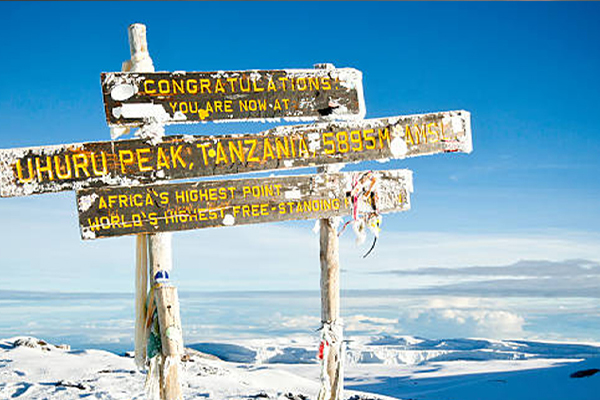
It stands at 5,895 meters above sea level.
It offers several trekking routes for different budgets and fitness levels.
It gives climbers a chance to walk through rainforest, moorland, alpine desert, and glacier zones in one trip.
It is one of the world’s greatest bucket-list adventures.
For many travelers, reaching Uhuru Peak is not just a hike. It is a life goal.
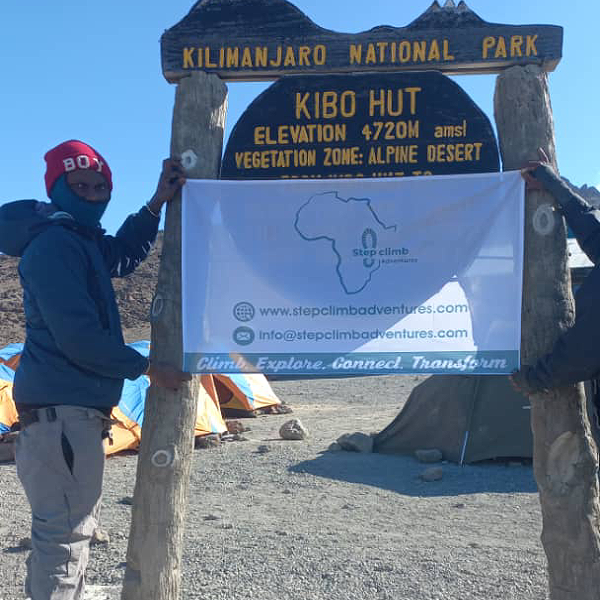
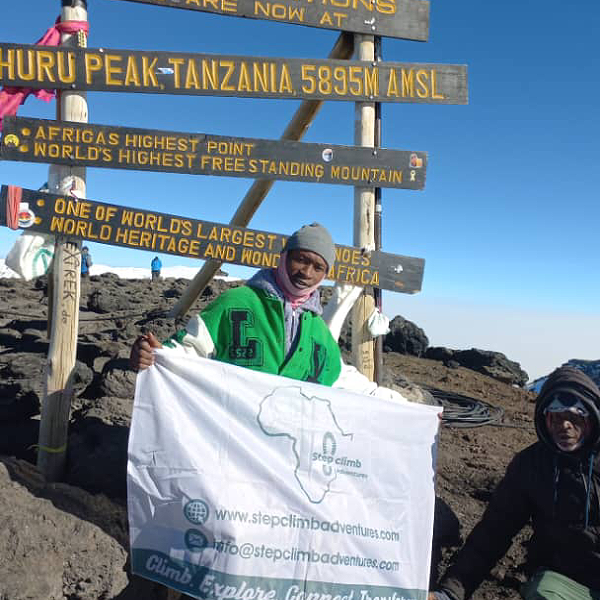
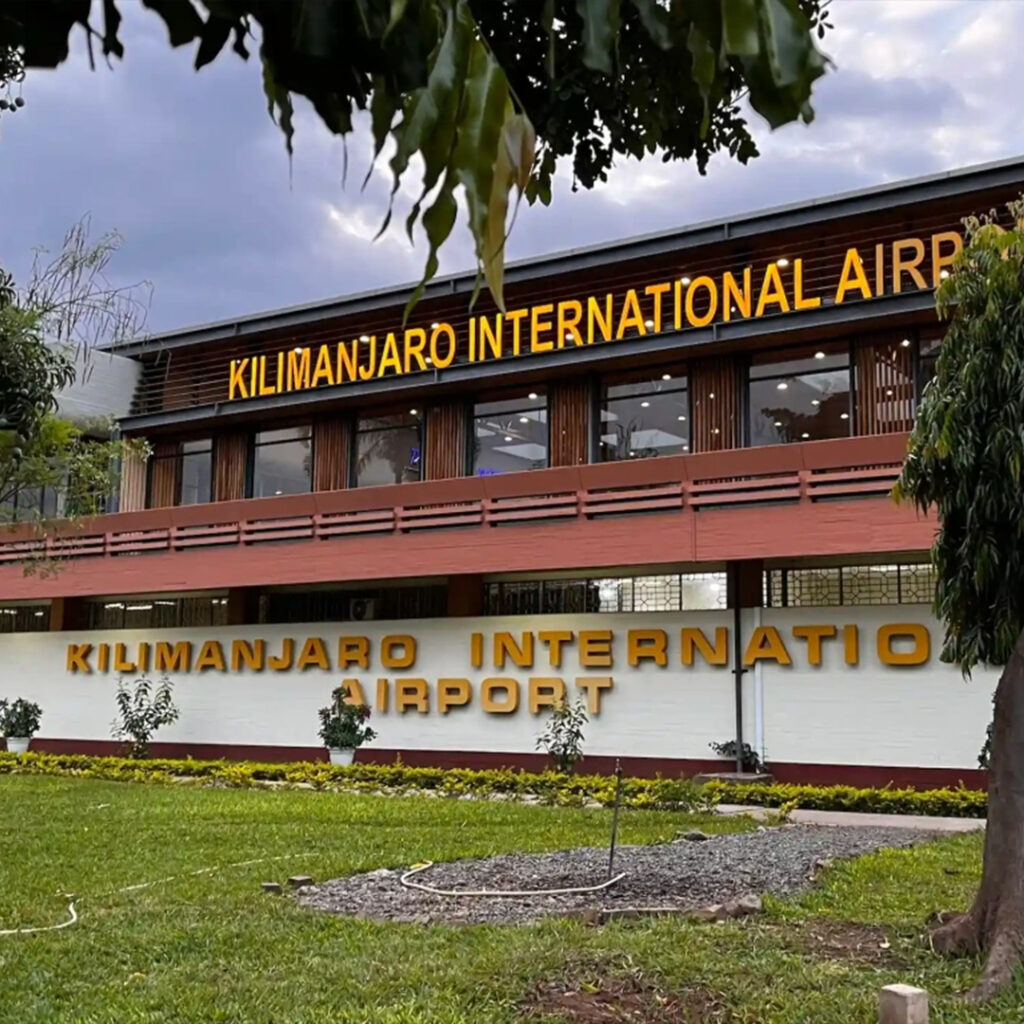
Mount Kilimanjaro Climb is located in the Kilimanjaro region of Tanzania, East Africa. The most convenient way to reach Kilimanjaro is via Kilimanjaro International Airport (JRO), serviced by major airlines such as KLM, Ethiopian Airlines, and Emirates. Alternatively, you can fly into Zanzibar or Dar es Salaam and connect to Kilimanjaro International Airport.
The closest towns to stay in before your climb are Moshi and Arusha. We recommend staying in Moshi, as it is closer to most of Kilimanjaro’s starting gates compared to Arusha.
Kilimanjaro routes are divided into three geographical sides. The western, the Eastern and the Northern sides of Mount Kilimanjaro. The lemosho route is on the western side. The Eastern side has the Marangu route where as Machame and Umbwe routes are on the Southern side. The Rongai route starts on the northern side of the mountain.
Kilimanjaro Climb : Sleeping Arrangements
When climbing Mount Kilimanjaro, your sleeping arrangements will depend on the kilimanjaro routes you choose.
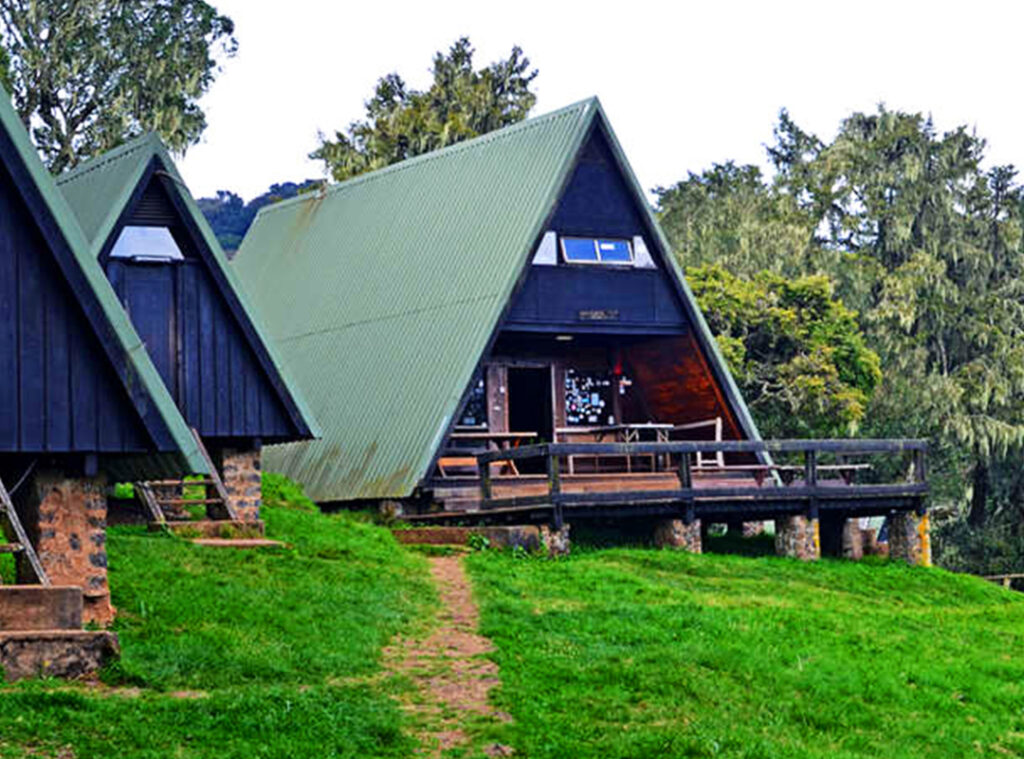
The Marangu route offers hut accommodations with basic shelter, bunk beds, mattresses, solar lighting, dining areas, and simple washrooms. You will stay at Mandara Hut (2,700 meters), Horombo Hut (3,720 meters), and Kibo Hut (4,703 meters).
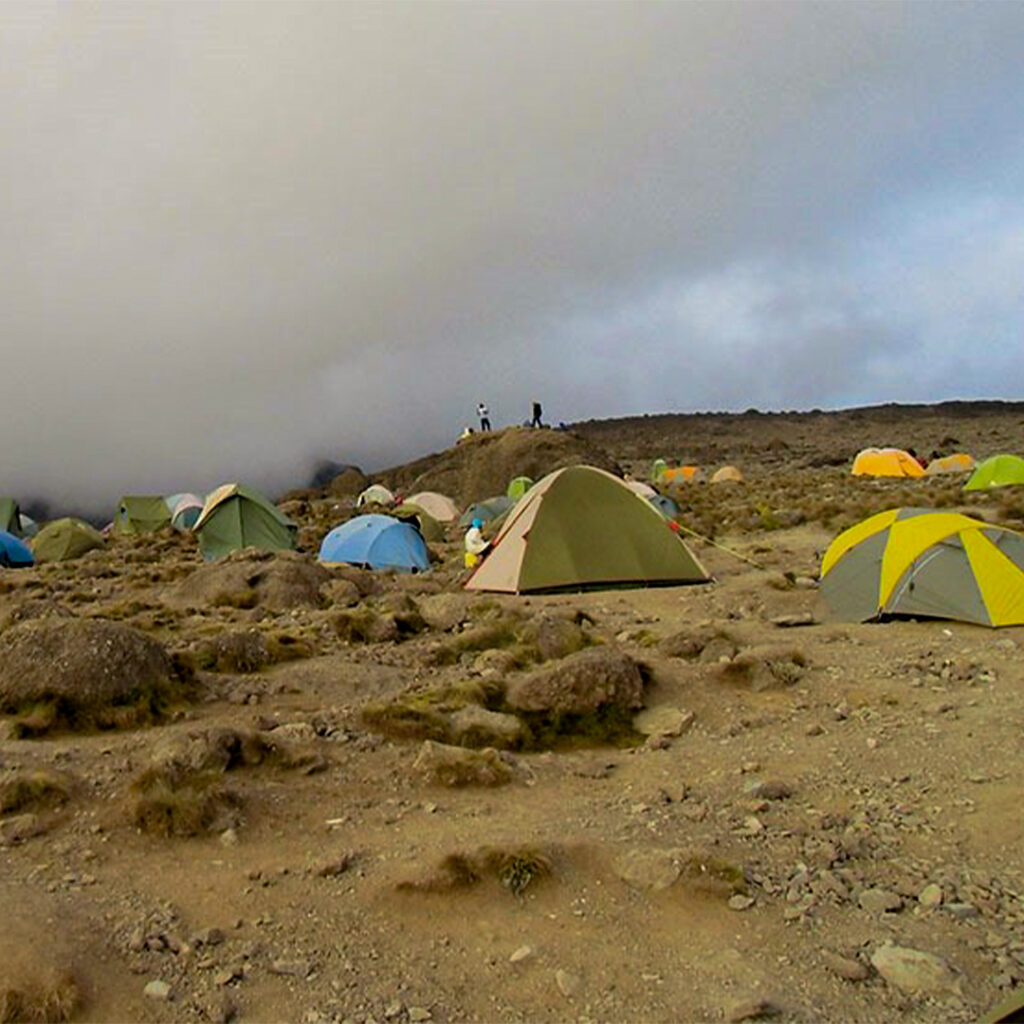
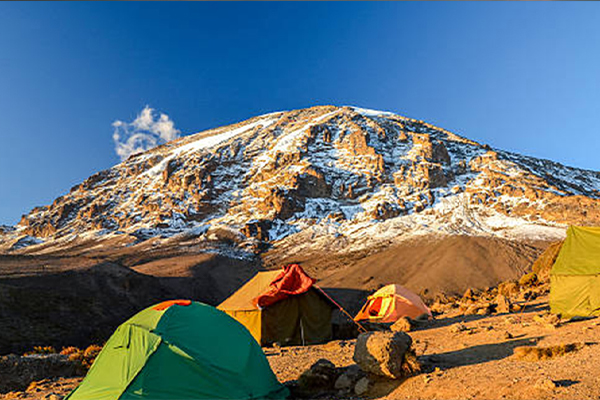
For the Machame, Umbwe, Lemosho, and Rongai routes, you will sleep in tents set up by your porters at designated campsites. These tents are sturdy and provide adequate shelter. The last camp before the summit push is usually Barafu Camp. After summiting, you will descend and sleep at a lower altitude camp like Mweka Camp.
Each campsite provides basic facilities, including toilets. It’s essential to bring a good sleeping bag suitable for cold temperatures, as nights on Kilimanjaro can be very cold.
Breakfast, Lunch, Dinner During Your Kilimanjaro Climb
When climbing Mount Kilimanjaro, your meals will be planned to ensure you have enough energy for the trek. Here’s what you can expect to eat when you climb with Stepclimb Adventures:
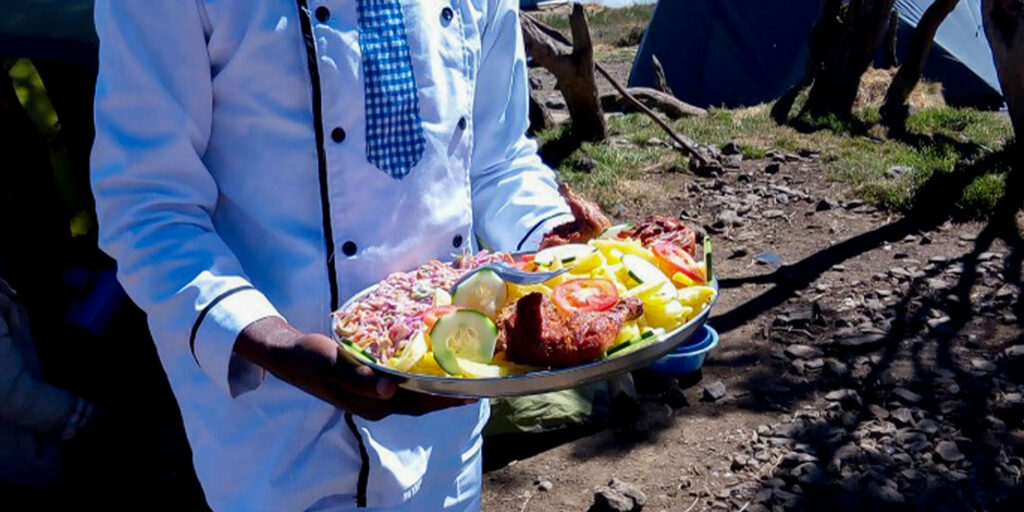
Breakfast: Start your day with a hearty breakfast to fuel your morning hike. Typical breakfast options include porridge, eggs, toast, pancakes, and fresh fruit. You’ll also have tea, coffee, hot chocolate, and milk available.
Lunch: Lunches are often packed and eaten on the trail. They typically include sandwiches, boiled eggs, chicken, pasta salads, and fresh fruit.
Dinner: Dinners are warm and substantial to help you recover from the day’s exertion. Meals often consist of soups, rice, pasta, potatoes, meat (such as chicken or beef), and a variety of vegetables. Desserts like fruit or cake may also be served.
Snacks: it’s important to snack regularly to keep your energy up. High-energy snacks are essential for the trek. Recommended snacks include energy bars, trail mix, nuts, dried fruit, fresh fruit, chocolate, crackers, cheese, granola bars, and jerky.
Hydration: Staying hydrated is crucial at high altitudes. Drink plenty of water and consider adding electrolyte tablets to prevent dehydration. Hot drinks like tea, coffee, hot chocolate, and milk are also available at campsites to help you stay warm and hydrated.
Dietary Restrictions: If you have any dietary restrictions or preferences, feel free to contact us so that we can customize and arrange your meals based on your preferences. We accommodate most dietary needs, including vegetarian, vegan, gluten-free, and other special diets.
Best Kilimanjaro Climbing Packages by Route
Different routes offer different experiences. Some are better for beginners. Some give better acclimatization. Some are cheaper. Below are the main Kilimanjaro climbing packages people search for most.
Lemosho Route Package
The Lemosho route is one of the best Kilimanjaro climbing packages for summit success and scenery. It is known for gradual acclimatization, fewer crowds, and beautiful views across the Shira Plateau.
Best for: Beginners, photographers, and climbers who want a high summit success rate.
Typical duration: 7 to 8 days
Success rate: Very high
Difficulty: Moderate
Why people choose it:
Better acclimatization
Less crowded than Machame
Excellent scenery
Strong summit success rate
If you want the best all-round Kilimanjaro trekking package, Lemosho is often the top choice.
Machame Route Package
The Machame route is one of the most popular Kilimanjaro climbing tours because it offers a good balance of challenge, scenery, and cost. It is often called the “Whiskey Route” because it is more demanding than Marangu.
Best for: Fit travelers and adventurous climbers
Typical duration: 6 to 7 days
Success rate: High when done as a 7-day route
Difficulty: Moderate to challenging
Why people choose it:
Famous and scenic
Good acclimatization when extended to 7 days
Popular with group departures
Great value for money
Machame is one of the best-selling Kilimanjaro tour packages because it offers a strong mountain experience at a reasonable price.
Rongai Route Package
The Rongai route approaches Kilimanjaro from the north near the Kenyan border. It is quieter and drier than many other routes, which makes it attractive for climbers who want a less crowded trek.
Best for: Climbers who prefer a quieter route
Typical duration: 6 to 7 days
Success rate: Good
Difficulty: Moderate
Why people choose it:
Less crowded
Drier conditions
Gentle approach
Good for climbers seeking a peaceful experience
Rongai is often recommended for people who want a different side of Kilimanjaro.
Marangu Route Package
The Marangu route is the oldest and most direct route up Kilimanjaro. It is often marketed as the easiest route, but that does not mean it is simple. The shorter itinerary can make acclimatization harder.
Best for: Budget climbers and those who prefer hut accommodation
Typical duration: 5 to 6 days
Success rate: Lower than longer routes
Difficulty: Moderate
Why people choose it:
Hut accommodation instead of tents
Shorter trek
Often cheaper
Very well known
Marangu is a classic option, but many experts recommend longer routes for a better summit chance.
Northern Circuit Package
The Northern Circuit is the longest route on Kilimanjaro and usually offers the best acclimatization. It circles around the mountain and gives excellent summit success rates.
Best for: Climbers who want the best chance of summit success
Typical duration: 8 to 9 days
Success rate: Very high
Difficulty: Moderate
Why people choose it:
Best acclimatization profile
Fewer crowds
Beautiful and varied scenery
Highest success rate among non-technical routes
If your main goal is reaching the summit, this is one of the strongest package options.
Kilimanjaro Package Prices
Searches like “how much does it cost to climb Kilimanjaro” and “cheapest Kilimanjaro climbing package” are extremely common. Price depends on route, number of days, group size, and level of service.
Budget Kilimanjaro Packages
Usually group climbs
Basic mountain services
Shared tents or huts
Best for price-sensitive travelers
Mid-Range Kilimanjaro Packages
Better food and equipment
Smaller groups
More experienced guides
Better overall comfort
Luxury Kilimanjaro Packages
Private climbs
Premium hotels before and after the trek
Extra support staff
Higher-end gear and service
Estimated Kilimanjaro Price Range
Budget packages: Lower cost, basic comfort
Mid-range packages: Best balance of value and service
Luxury packages: Highest comfort and flexibility
A good package should include:
Park fees
Camping or hut fees
Guide and porter services
Meals during the climb
Transfers
Oxygen and safety equipment where needed
Hotel before and after the trek
Which Kilimanjaro Route Is Best?
This is one of the most searched Kilimanjaro questions. The answer depends on your priorities.
Best route for beginners
Lemosho or Northern Circuit
Best route for summit success
Northern Circuit or Lemosho 8-day
Best route for budget travelers
Marangu or shorter Machame options
Best route for scenery
Lemosho
Best route for fewer crowds
Rongai or Northern Circuit
Best route for a classic experience
Machame
If you want one strong recommendation, the Lemosho route is often the best overall choice for most climbers.
Best Time to Climb Kilimanjaro
Timing matters. The most popular climbing seasons are:
January to March
June to October
These months usually give the best weather, better views, and safer trekking conditions.
Why these months are best
Less rain
Better visibility
More stable trails
More comfortable summit conditions
Rainy seasons
April to May
November
These months are still possible, but trails can be wetter and views less clear.
What Is Included in a Kilimanjaro Package?
When people search for Kilimanjaro tour packages, they often want to know what they are paying for.
A good package normally includes:
Airport or hotel transfers
Professional mountain guide
Porters
Cook and meals
Park fees
Hut or camping fees
Rescue fees
Safety briefing
Tents, sleeping mats, or huts
Hotel night before and after the climb
Always confirm what is excluded. Some packages do not include:
Tips
Personal gear
Flight tickets
Visa fees
Travel insurance
How to Choose the Right Package
Choose your Kilimanjaro package based on these factors:
Your fitness level
Your budget
Your preferred route
Your time available
Your comfort level
Your summit goal
If you are a first-time climber, do not choose based on price alone. A slightly longer route with better acclimatization can dramatically improve your summit chance.
Kilimanjaro Route Comparison Matrix
| Route | Days | Success Rate | Distance | Difficulty | Price | Best For |
|---|---|---|---|---|---|---|
| Lemosho | 8 | 95% | 56km | Medium | $2,800 | Guaranteed summit |
| Machame | 7 | 85% | 49km | Medium-Hard | $2,500 | Scenic variety |
| Rongai | 7 | 90% | 53km | Easy | $2,400 | Beginners |
| Marangu | 5 | 60% | 35km | Easy | $1,800 | Budget |
| Northern Circuit | 9 | 92% | 88km | Medium | $3,500 | Luxury/wilderness |
Pro Tip: Longer = higher success (extra acclimatization days)
Kilimanjaro Climb: Health and Safety Tips
As you prepare for your Kilimanjaro climb, your health and safety are our top priorities. Here are some important tips to ensure a safe and enjoyable trek:
Altitude Sickness: Altitude sickness is common and can cause headaches, nausea, and dizziness. To minimize this risk, we recommend climbing slowly and allowing your body time to adjust. Our experienced guides will monitor your health closely. Please communicate with them if you feel unwell at any point.
Hydration and Nutrition: Staying hydrated is essential. Drink plenty of water throughout the day. We provide balanced meals, but we also recommend bringing high-energy snacks like energy bars, nuts, and dried fruits to keep your energy levels up.
Proper Gear: Ensure you have the right gear. Dress in layers to adapt to changing temperatures, and wear sturdy, waterproof hiking boots. A warm sleeping bag suitable for cold nights is also important.
Physical Fitness: Being in good physical condition will help you handle the trek’s demands. We suggest regular cardiovascular and strength training exercises before your trip.
Experienced Guides and Porters: Our certified guides and porters are trained to handle emergencies and are familiar with the mountain’s conditions. They will provide you with support and ensure your safety throughout the climb.
Safety Precautions: Carry a personal first aid kit with essential supplies, including any medications you may need. Our guides also carry first aid kits and oxygen tanks for emergencies.
Environmental Respect: We practice and encourage Leave No Trace principles. Please dispose of waste properly, avoid disturbing wildlife, and stay on marked trails to help protect Kilimanjaro’s environment.
By following these guidelines, you can ensure a safer and more enjoyable climb. Listen to your body, stay hydrated, and trust our team to guide you safely to the summit.
2025-2030 Pricing Breakdown
| Category | Per Person | Group Size | Accommodation | Crew Ratio |
|---|---|---|---|---|
| Budget | $1,800-2,500 | 10-16 | Dorm huts/tents | 1:4 |
| Mid-Range | $2,500-3,500 | 6-10 | Private tents | 1:3 |
| Luxury | $3,500-5,000 | 4-8 | Mess tents/hot showers | 1:2 |
| Private | $4,000- 6 | Custom |
Mandatory Fees (2026):
Park Fees: $1,015/person (7-day)
Rescue Fee: $25/person
Camping/Hut Fees: $60-80/night
Guide/Porter Wages: $20-25/day each
What’s included in packages?
- Park fees ($1,000+)
- Professional guides (IFMGA certified)
- 12 porters + cook per climber
- All meals (5/day)
- Tents, sleeping bags, oxygen
❌ Flights, tips ($250 total), gear
Kilimanjaro Altitude Sickness Prevention
Why 45% fail: Acute Mountain Sickness (AMS) above 4,000m.
- Diamox (125mg 2x/day – prescription)
- “Climb High, Sleep Low” strategy
- Extra acclimatization days
- Gamow bag + oxygen backup
- 1:4 medic/climber ratio (luxury)
Success = 3 factors:
Longer route (7-9 days)
Proper hydration (5L/day)
Slow “pole pole” pace
Essential Kilimanjaro Packing List ($500 Total)
Technical Gear:
- La Sportiva Trango Trek (Gore-Tex)
- Rab Expedition 8000 Down Jacket
- Montbell UL Rain Pants
- Osprey Aether 55L Backpack
High-Altitude Essentials:
- Black Diamond Guide Gloves
- Kahtoola micro spikes (summit)
- Sleeping bag -15°C (rental $30)
- Diamox, Ibuprofen, anti-diarrhea
Training (12 Weeks Pre-Climb):
- Stair climber 45min 5x/week
- 10km hikes with 20kg pack
- Sleep training at altitude (if possible)
Kilimanjaro Climb FAQ's
Yes, with proper preparation and our knowledgeable, experienced guide, it is generally safe. Our guides are trained to handle emergencies and monitor climbers’ health.
No, there is no electricity on the mountain. Please bring portable chargers and extra batteries for your electronic devices
A four-season sleeping bag rated for temperatures as low as -10°C (14°F) is recommended. Sleeping pads are also provided for insulation and comfort.
Accommodations before and after the climb are usually in hotels or lodges in towns like Moshi or Arusha, offering basic comforts and amenities.
A minimum of 6-9 days is recommended for optimal acclimatization and a higher chance of reaching the summit. Shorter itineraries increase the risk of altitude sickness.
Yes, you can combine the trek with safaris, cultural tours, or visits to Zanzibar. Please contact us to customize your combination based on your preferences and budget, whether it’s a safari, Zanzibar trip, or day trips.
Our guides will descend you to lower altitudes, encourage rest, hydration, and sometimes administer medication like Diamox.
Recommended vaccinations include yellow fever, hepatitis A and B, typhoid, and routine vaccinations. Please contact us for specific advice.
During the rainy seasons (March-May and November), longer durations may be necessary due to difficult trail conditions. Dry season(June-October) offer more predictable weather and faster ascents
Success rates are higher for longer routes. For example, the 8-9 day Lemosho and Northern Circuit routes have success rates above 90%, while shorter routes have lower success rates
Symptoms include headaches, nausea, dizziness, and shortness of breath. Severe cases can lead to high altitude pulmonary edema (HAPE) and high-altitude cerebral edema (HACE). If you experience these symptoms, please ask our guide for regular checks.
Absolutely, hot drinks such as tea, coffee, and hot chocolate are provided, especially in the mornings and evenings to keep your body warm.
While shower facilities are not available on the mountain, You can maintain cleanliness by using warm water and soap provided by porters to wash hands and face each night. Additionally, you can use wet wipes and ample deodorant to feel refreshed despite the absence of showers.
The shortest route is the Marangu route, typically taking 5-6 days, while the Northern Circuit is the longest, requiring about 9-10 days.
Yes, we offer customizable itineraries to suit your schedule and preferences, with options for additional acclimatization days
We offer meals that are nutritious and energy-boosting, including items like porridge, pasta, rice, vegetables, and protein sources. If you have special dietary needs, please feel free to contact us so that we can customize your meals.