
Tanzania vs Kenya Wildlife – Overview
Tanzania and Kenya are two of Africa’s premier safari destinations, offering iconic landscapes, abundant wildlife, and unique ecosystems. Both countries share parts of the Serengeti-Mara ecosystem, yet they offer distinct safari experiences, wildlife densities, and park atmospheres. This guide provides a detailed comparison of Tanzania and Kenya wildlife, including national parks, key species, safari experiences, and tips for travelers in 2025 and beyond.
Tanzania vs Kenya Wildlife Comparison
1. Iconic Wildlife Experiences
Tanzania
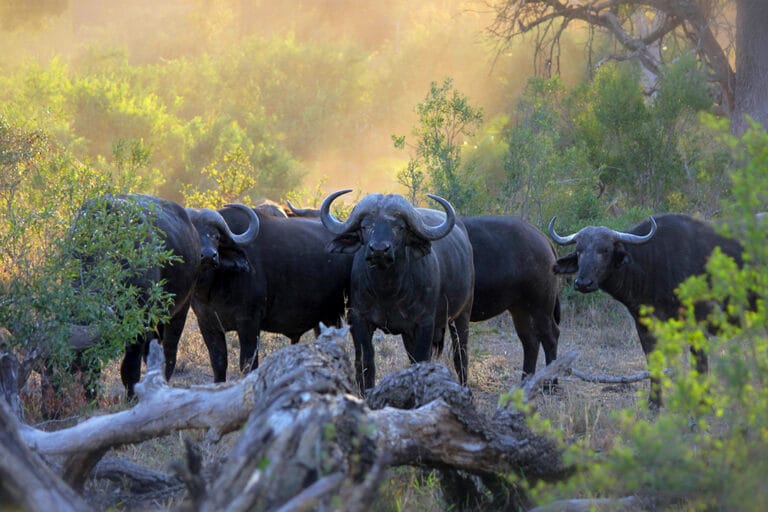
Big Five: Lions, leopards, elephants, buffalo, and rhinos in Serengeti, Ngorongoro, and Selous
Great Migration: Over 1.5 million wildebeest, zebras, and gazelles migrate through Serengeti and Ndutu
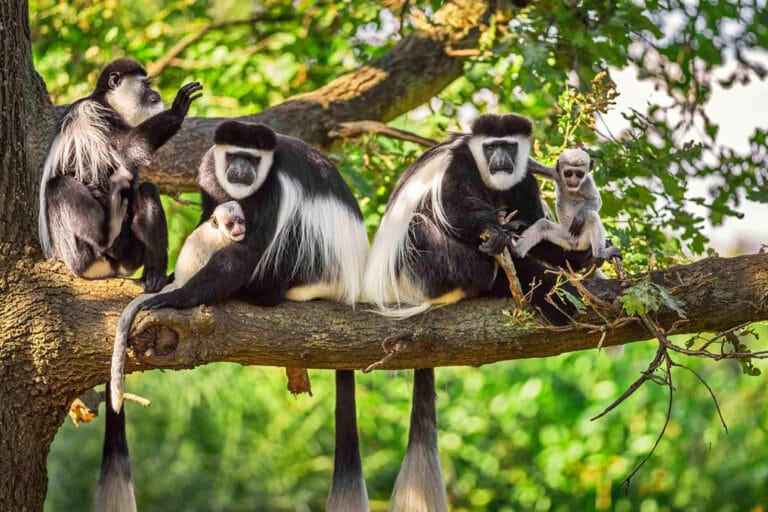
Other Highlights: Tree-climbing lions in Lake Manyara, diverse primate species, rare black rhinos
Kenya
Big Five: Found in Maasai Mara, Amboseli, Tsavo East & West
Great Migration: The Maasai Mara hosts the northern migration crossing the Mara River, famous for dramatic predator-prey interactions
Other Highlights: Amboseli elephants with Kilimanjaro backdrop, large lion prides in Maasai Mara, cheetah spotting in open plains
Tip: Both countries offer excellent Big Five experiences, but Tanzania provides a wider variety of habitats and larger park areas for more remote wildlife encounters.
2. National Parks & Game Reserves
| Feature | Tanzania | Kenya |
|---|---|---|
| Serengeti vs Maasai Mara | Serengeti covers 14,750 km²; hosts full Great Migration | Maasai Mara covers 1,510 km²; migration crosses in July–October |
| Unique Parks | Ngorongoro Crater, Tarangire, Ruaha, Selous | Amboseli, Tsavo, Nakuru, Lake Naivasha |
| Accessibility | Mix of airstrips and overland routes; larger, more remote parks | Easier road access; smaller parks with higher concentration of tourists |
| Wildlife Density | High density across large areas; more remote experience | Dense wildlife in smaller parks; easier to spot predators and the Big Five quickly |
3. Wildlife Diversity
Tanzania
Over 1,100 bird species
Extensive predator variety: lions, leopards, cheetahs, wild dogs, hyenas
Large herbivore populations, including wildebeest, zebra, giraffes, elephants, and rare rhinos
Kenya
Over 1,100 bird species as well, especially waterbirds in Rift Valley lakes
Predators concentrated in smaller, more visible areas
Large mammals abundant in smaller reserves, easier for first-time visitors to spot
Tip: Tanzania offers more species diversity across broader landscapes, while Kenya provides concentrated wildlife spotting in shorter time frames.
4. Safari Experience & Crowds
Tanzania:
Larger parks with remote lodges and fewer tourists
Longer drives but more authentic, wilderness experiences
Best for extended safaris and migration tracking
Kenya:
Smaller parks with higher tourist density
Shorter drives between sightings; ideal for time-limited travelers
Best for dramatic predator-prey photography and scenic landscapes like Amboseli
5. Cultural & Scenic Differences
Tanzania
Maasai, Hadzabe, and other tribal communities
Diverse landscapes: savannah, forests, wetlands, volcanic craters, and islands (Zanzibar, Pemba)
Safari can be combined with trekking Mount Kilimanjaro or Zanzibar beaches
Kenya
Maasai, Samburu, and other tribes
Rift Valley lakes, Mount Kenya, Amboseli plains
Safari often combined with Mount Kenya trekking or beach holidays in Mombasa/Diani
Tip: Tanzania offers a more varied adventure with cultural immersion, hiking, and island experiences; Kenya focuses on wildlife and photographic safaris.
6. Cost Comparison
Tanzania: Generally higher park fees for prime reserves like Serengeti and Ngorongoro; lodges and camps range from luxury to budget, but transport can be longer and more costly.
Kenya: Easier access reduces travel costs; parks have varied pricing, with many mid-range options; ideal for shorter safaris.
7. Best Choice for First-Timers
Tanzania: Ideal for those seeking immersive safaris, diverse ecosystems, and extended wildlife encounters. Great for combining safari with Kilimanjaro or Zanzibar.
Kenya: Ideal for first-time visitors on a time budget, who want guaranteed predator sightings and dramatic landscapes in a condensed itinerary.
FAQs About Tanzania vs Kenya Wildlife
1. Which country has more wildlife?
Tanzania has more species diversity and larger populations, while Kenya has concentrated wildlife for easy spotting.
2. Which is better for seeing the Great Migration?
Tanzania: Serengeti offers full migration view year-round
Kenya: Maasai Mara hosts northern migration July–October
3. Can I do safaris in both countries in one trip?
Yes, cross-border tours exist, combining Maasai Mara in Kenya and Serengeti/Ngorongoro in Tanzania.
4. Which country is better for photography?
Kenya offers dense wildlife and dramatic landscapes, while Tanzania provides expansive wilderness and varied scenery.
5. Are there conservation differences?
Both countries have strong conservation programs, but Tanzania’s larger park areas allow more remote, less disturbed wildlife experiences.
Get a free Quote
Book Your Adventure


STEPCLIMB ADVENTURES
Tanzania’s leading travel company, guiding people to grow, find purpose, and connect deeply through powerful, life-changing adventures.
Tanzania vs Kenya Wildlife Comparison – Your Complete Safari Guide
- Education, Mountain Trekking Tanzania
- November 12, 2025