
Tanzania Wildlife Conservation Projects – Overview
Tanzania is home to some of Africa’s most iconic wildlife and landscapes, including the Serengeti, Ngorongoro Crater, and Selous Game Reserve. To protect these treasures, the country has implemented numerous wildlife conservation projects that focus on habitat preservation, anti-poaching efforts, community engagement, and research. These initiatives ensure that future generations can experience Tanzania’s biodiversity while supporting sustainable livelihoods for local communities. This guide highlights major wildlife conservation projects across Tanzania, their goals, and how travelers can contribute in 2025 and beyond.
Tanzania Wildlife Conservation Projects – Overview
1. Serengeti Wildlife Conservation
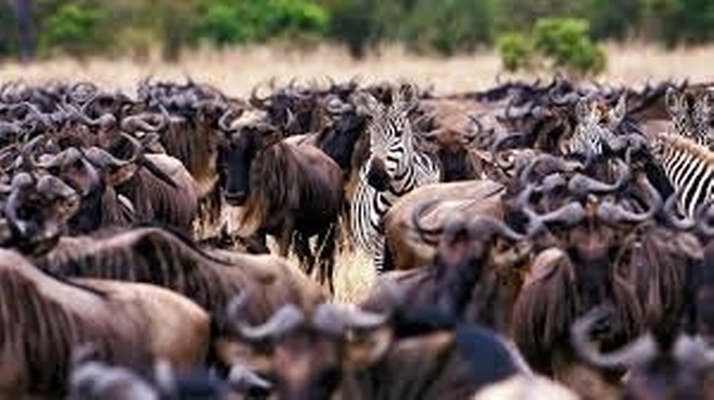
Focus: Protecting the Serengeti ecosystem, including the Great Migration and resident predators.
Projects:
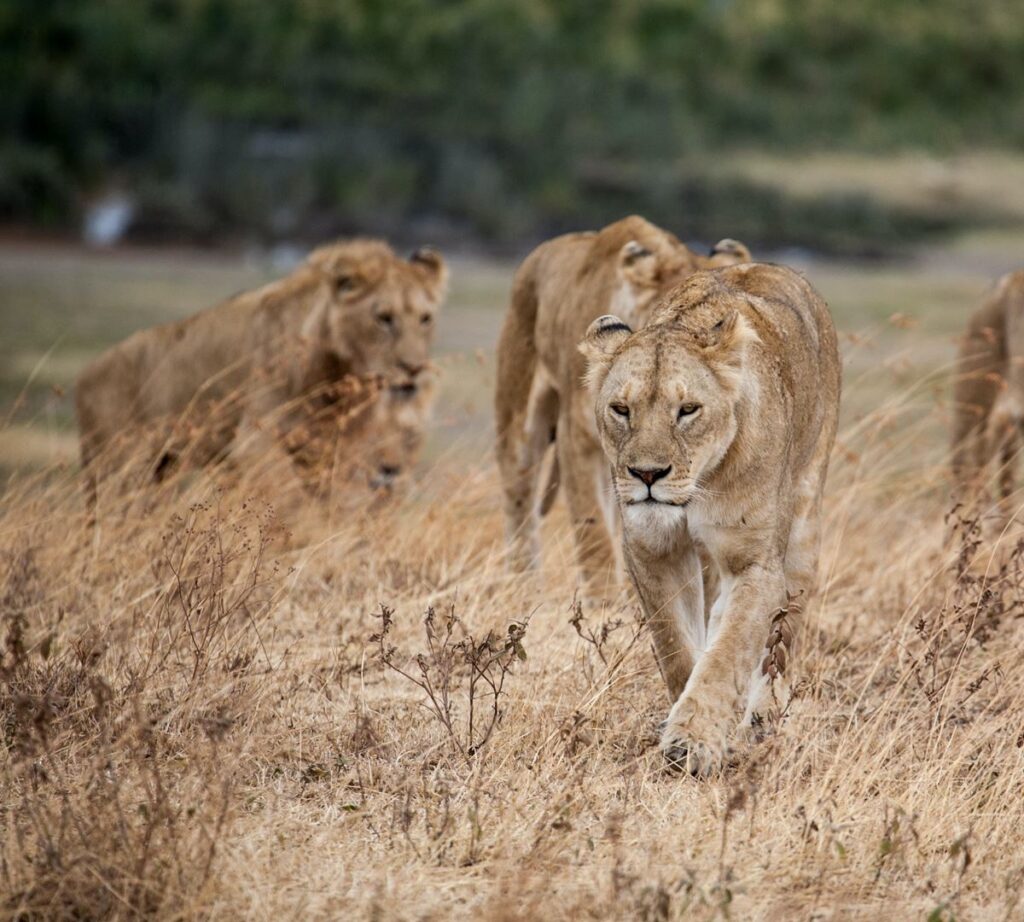
Anti-poaching patrols targeting lions, cheetahs, and rhinos
Community outreach programs educating locals about wildlife importance
Monitoring predator-prey relationships to maintain ecological balance
Impact: Serengeti remains one of the most well-preserved ecosystems in Africa, ensuring continued success of the Great Migration.
Tip for Visitors: Participate in eco-friendly safaris with certified guides who support conservation initiatives.
2. Ngorongoro Conservation Area Authority (NCAA)
Focus: Integrating wildlife protection with Maasai community development
Projects:
Rhino and black-maned lion protection
Habitat restoration and grassland management
Eco-tourism programs that benefit local communities
Impact: Balanced conservation and human development, ensuring both wildlife and Maasai livelihoods thrive.
Tip for Visitors: Visit Maasai villages responsibly, supporting local crafts and cultural programs.
3. Tarangire Elephant Conservation Project
Focus: Protecting Tarangire’s large elephant populations from poaching and human-wildlife conflict
Projects:
GPS tracking of elephants to monitor movements and prevent conflict
Community education on coexistence strategies
Anti-poaching patrols in collaboration with park authorities
Impact: Reduced elephant deaths and improved community awareness of wildlife conservation.
Tip for Visitors: Support lodges and tours that donate a portion of proceeds to elephant conservation.
4. Selous/Nyerere National Park Conservation Initiatives
Focus: Preserving one of the world’s largest protected areas and its diverse species
Projects:
Anti-poaching campaigns targeting rhinos and elephants
Research on aquatic ecosystems and crocodile populations
Sustainable tourism development with minimal ecological footprint
Impact: Maintains Selous as a key habitat for endangered species and a prime safari destination.
Tip for Visitors: Choose guided boat safaris that follow sustainable wildlife practices.
5. Ruaha National Park Conservation
Focus: Protecting one of Tanzania’s largest predator and elephant habitats
Projects:
Community-based wildlife management programs
Ranger training for anti-poaching operations
Research on carnivore populations like lions and wild dogs
Impact: Reduced poaching and increased ecological research support.
Tip for Visitors: Engage in responsible tourism, staying in lodges that invest in conservation.
6. Zanzibar Marine Conservation Projects
Focus: Protecting coral reefs, mangroves, and marine biodiversity
Projects:
Sea turtle monitoring and protection programs
Coral reef restoration initiatives
Sustainable fishing education for local communities
Impact: Maintains healthy marine ecosystems and supports eco-tourism for Zanzibar and Mafia Island.
Tip for Visitors: Participate in eco-diving tours and avoid single-use plastics during island visits.
7. Ngorongoro Rhino and Lion Conservation
Focus: Protecting threatened species in high-density tourist areas
Projects:
Tracking and monitoring of black rhinos
Lion population studies and anti-poaching measures
Habitat restoration programs
Impact: Helps stabilize populations of vulnerable species in a heavily visited area
Tip for Visitors: Join guided conservation walks or drives to learn about species protection.
8. Community-Based Conservation Projects
Focus: Empowering local communities to protect wildlife while benefiting economically
Projects:
Wildlife conservancies managed by Maasai and other local groups
Eco-tourism revenue sharing for schools, health clinics, and community projects
Education programs on human-wildlife conflict mitigation
Impact: Reduces poaching by providing communities with sustainable income alternatives
Tip for Visitors: Support community-run lodges and purchase locally made handicrafts.
9. Anti-Poaching and Wildlife Monitoring Programs
Focus: Protecting endangered species such as rhinos, elephants, and cheetahs
Projects:
Ranger patrols using advanced tracking technologies
Drones and GPS collars to monitor animal movements
Collaboration with international wildlife NGOs
Impact: Significant reduction in illegal hunting and increased survival of key species
Tip for Visitors: Consider contributing to conservation funds when booking tours.
10. Research and Ecological Studies
Focus: Scientific research to inform policy and improve conservation strategies
Projects:
Predator-prey dynamics studies in Serengeti and Ruaha
Bird and primate population surveys
Climate impact research on habitats and migration patterns
Impact: Provides critical data for long-term protection of ecosystems
Tip for Visitors: Participate in citizen science or volunteer programs offered by research centers.
Why Support Wildlife Conservation in Tanzania?
Protects iconic species like lions, elephants, rhinos, and marine life
Maintains ecological balance and biodiversity
Promotes sustainable tourism and economic development
Provides education and opportunities for local communities
Ensures that future generations can enjoy Tanzania’s wildlife
FAQs About Wildlife Conservation in Tanzania
1. Can tourists contribute to conservation efforts?
Yes, many lodges, tours, and NGOs accept donations or include conservation fees in safari packages.
2. Are endangered species visible on safaris?
Yes, species like lions, elephants, giraffes, and even rhinos can be seen in national parks, though rhinos are rarer.
3. Is it safe to visit conservation areas?
Absolutely. All national parks and reserves maintain strict safety protocols for visitors.
4. How do conservation projects benefit local communities?
They provide jobs, education, healthcare support, and income from eco-tourism ventures.
5. What is the best time to support conservation-oriented safaris?
Dry seasons (June–October, December–February) offer the best viewing conditions and access to conservation areas.
Get a free Quote
Book Your Adventure

STEP CLIMB ADVENTURES
Tanzania’s leading travel company, guiding people to grow, find purpose, and connect deeply through powerful, life-changing adventures.
Tanzania Wildlife Conservation Projects – Your Complete Guide
- Education, Mountain Trekking Tanzania
- November 12, 2025