
Top Things to Know About Climbing Kilimanjaro – Overview
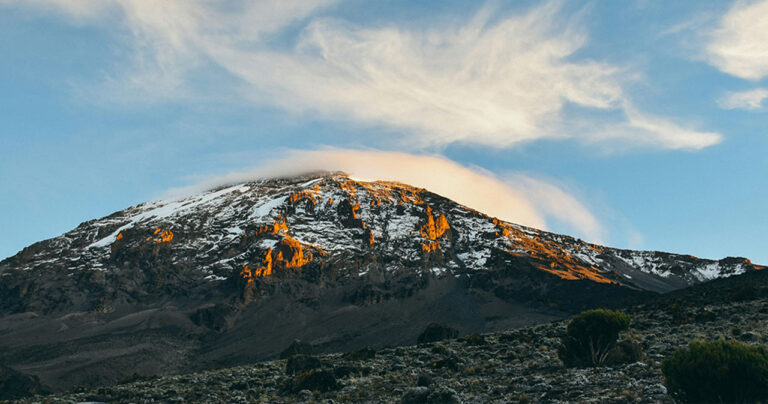
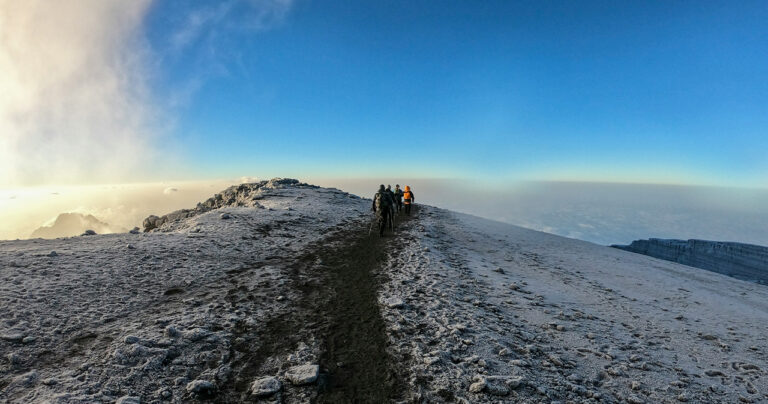
Summit night is the most challenging and rewarding part of climbing Mount Kilimanjaro, Africa’s highest peak at 5,895 meters. Typically starting around midnight, climbers face extreme cold, darkness, and high altitude as they push toward Uhuru Peak. Proper preparation, pacing, and mindset are crucial for a safe and successful ascent. This guide shares 10 expert tips for summit night in 2025 and beyond.
Top Tips for Kilimanjaro Summit Night – Overview
1. Start Early
Summit attempts usually begin around midnight.
Early departure maximizes daylight at the top
Avoids crowds at Uhuru Peak
Aligns with sunrise for breathtaking views
Tip: Follow your guide’s instructions and start at the recommended time.
2. Dress in Layers
Kilimanjaro’s summit zone is freezing, with temperatures often below -10°C.
Base layers: moisture-wicking thermal wear
Mid layers: fleece or insulated jacket
Outer layers: windproof and waterproof shell
Tip: Keep gloves, hat, and balaclava handy for maximum warmth.
3. Pace Yourself
Summit night requires slow and steady progress.
Avoid rushing to conserve energy and oxygen
Short breaks help maintain stamina
Maintain a consistent rhythm
Tip: Use trekking poles to reduce strain and improve balance.
4. Stay Hydrated and Eat Lightly
Your body loses fluids quickly at high altitude.
Sip water regularly to prevent dehydration
Eat small, high-energy snacks like nuts and chocolate
Avoid heavy meals before the climb
Tip: Bring a water bottle with an insulated sleeve to prevent freezing.
5. Use a Headlamp Effectively
Night trekking requires visibility on rocky and icy terrain.
Headlamps free your hands for trekking poles
Bring spare batteries in case of failure
Adjust brightness to avoid blinding other climbers
Tip: Check the fit and angle of your headlamp before departure.
6. Prepare Mentally
Summit night is as much a mental challenge as a physical one.
Focus on one step at a time
Stay positive even when fatigued or cold
Encourage fellow climbers and maintain morale
Tip: Visualization and mental preparation before the trek can improve performance.
7. Protect Against Cold and Wind
Wind chill can make summit night dangerously cold.
Cover all exposed skin
Use thermal gloves and face masks
Keep spare layers in your backpack
Tip: Adjust layers dynamically as you climb to maintain comfort.
8. Listen to Your Body
Altitude sickness can worsen during summit night.
Watch for headaches, nausea, dizziness, or extreme fatigue
Communicate any symptoms to your guide immediately
Do not push beyond your limits
Tip: Follow your guide’s pacing and advice — safety comes first.
9. Enjoy the Experience
Summit night is tough, but reaching Uhuru Peak is unforgettable.
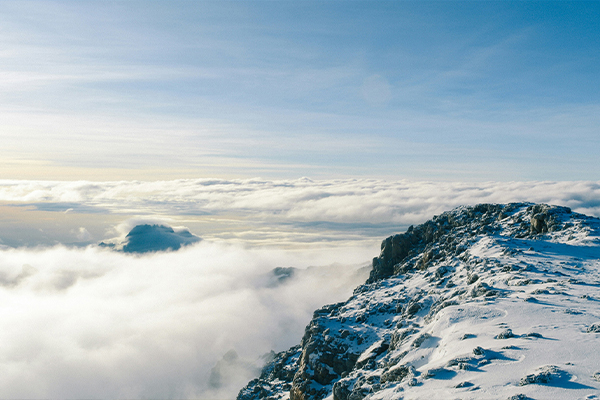
Witness sunrise above the clouds
Capture photographs of the dramatic scenery
Celebrate your accomplishment safely at the top
Tip: Pause for a few moments to soak in the achievement — it’s a once-in-a-lifetime experience.
10. Descend Safely
The descent can be long and challenging.
Take care on rocky or icy paths
Maintain a steady pace to avoid slips and injuries
Rest and hydrate along the way
Tip: The journey down is easier physically but still requires attention and stamina.
Why Summit Mount Kilimanjaro at Night?
Reach Uhuru Peak in time for a spectacular sunrise
Minimize crowding on popular routes
Experience the adventure of climbing under starry skies
Achieve a personal milestone and memorable accomplishment
Opportunity to witness diverse climate zones in a single night
FAQs About Kilimanjaro Summit Night
1. When does summit night usually start?
Most climbers depart between 11:00 PM and 1:00 AM.
2. How long does summit night take?
It typically takes 6–8 hours to reach Uhuru Peak depending on route and pace.
3. Is summit night dangerous?
Risks include altitude sickness, cold, and fatigue — following guide instructions ensures safety.
4. What should I wear on summit night?
Layered clothing, thermal gloves, hat, balaclava, and windproof jacket are essential.
5. Can beginners attempt summit night?
Yes, with proper fitness, acclimatization, and guidance, most climbers succeed.
Get a free Quote
Book Your Adventure

STEP CLIMB ADVENTURES
Tanzania’s leading travel company, guiding people to grow, find purpose, and connect deeply through powerful, life-changing adventures.
10 Tips for a Successful Summit Night on Mount Kilimanjaro, Tanzania – Conquer Uhuru Peak
- Education, Mountain Trekking Tanzania
- November 12, 2025