Top Insights About Climbing Kilimanjaro – Overview
Mount Kilimanjaro, Africa’s highest peak at 5,895 meters, is often perceived as an extremely difficult climb. While it’s a high-altitude trek, it is non-technical, meaning no specialized mountaineering skills or equipment are required. With proper preparation, mindset, and guidance, climbing Kilimanjaro is challenging yet achievable for most fit travelers. This guide explains why Kilimanjaro is “easy, not hard” and how to maximize your chances of a successful ascent in 2025 and beyond.
Top Insights About Climbing Kilimanjaro
1. Kilimanjaro is a Non-Technical Trek
Unlike mountains requiring ropes, ice axes, or technical climbing skills:
No prior mountaineering experience is needed
The climb relies on trekking endurance rather than technical ability
Routes are well-marked and guided
Tip: Focus on fitness, acclimatization, and proper pacing for success.
2. The Right Preparation Makes All the Difference
Physical conditioning and trekking practice help turn a tough climb into an achievable one.
Hike long distances with a weighted backpack
Train for endurance, cardio, and leg strength
Mental preparation is just as important
Tip: Prepare for at least 8–12 weeks before your trek for optimal results.
3. Choose a Route that Suits Your Pace
Kilimanjaro offers multiple routes of varying length, scenery, and difficulty:
Machame: Popular, scenic, moderate difficulty
Lemosho: Longer, great for acclimatization
Marangu: Shorter, with hut accommodation
Rongai: Northern approach, less crowded
Tip: Longer routes increase acclimatization and improve summit success.
4. Acclimatization is Key
Altitude sickness is the main challenge, not the terrain.
Ascend slowly to allow your body to adjust
Follow the “climb high, sleep low” principle
Stay hydrated and eat regularly
Tip: Listen to your body — don’t ignore headaches or dizziness.
5. Experienced Guides Make the Climb Manageable
Local guides and porters ensure safety, support, and guidance throughout the trek.
They monitor health, pace, and route navigation
Porters carry heavy gear, reducing your load
Ethical guiding enhances both safety and experience
Tip: Choose licensed trekking companies with positive reviews.
6. Summit Night is Tough but Achievable
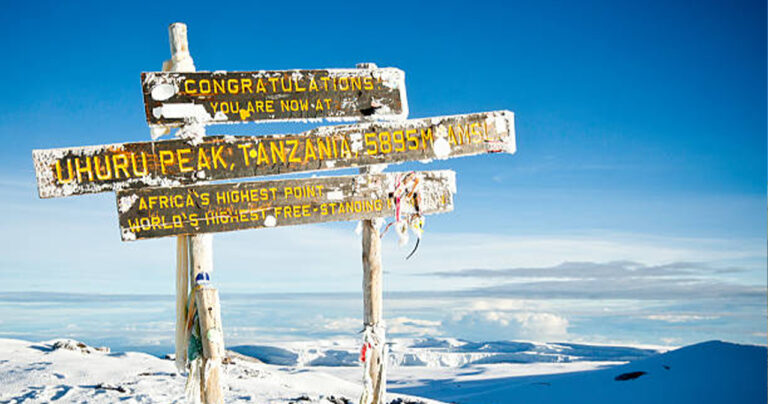
The final push to Uhuru Peak is physically and mentally demanding.
Starts around midnight and requires slow, steady pacing
Layered clothing protects against extreme cold and wind
Mental determination is essential for success
Tip: Focus on small milestones rather than the entire summit at once.
7. Kilimanjaro is About Endurance, Not Strength
It’s not a test of raw strength, but of stamina, patience, and mental resilience.
Slow, consistent steps prevent exhaustion
Regular hydration and nutrition maintain energy
Trekking poles help reduce fatigue on steep terrain
Tip: Break the climb into manageable segments and celebrate small victories.
8. Preparation Reduces Anxiety
Many climbers worry unnecessarily about the difficulty.
Knowledge of routes, climate zones, and summit challenges eases stress
Packing the right gear and understanding trekking expectations builds confidence
Mental readiness is as important as physical fitness
Tip: Attend pre-trek briefings and study route maps.
9. Kilimanjaro Offers Stunning Rewards
The views and experience outweigh the challenges.
Witness sunrise above clouds from Uhuru Peak
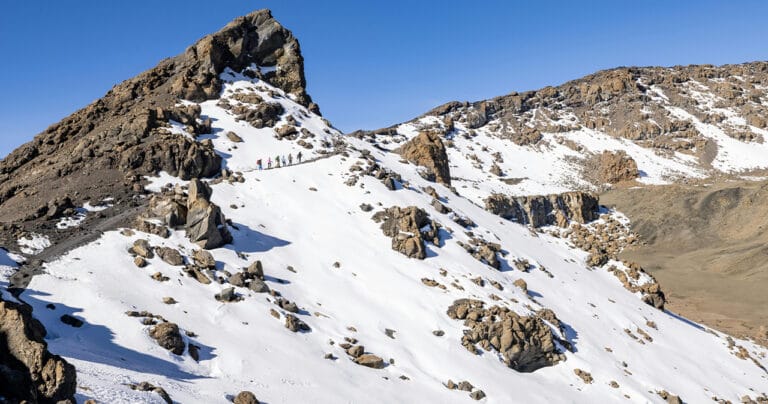
Pass through five distinct climate zones
See diverse wildlife and alpine landscapes
Tip: Take time to enjoy the scenery — the journey is part of the adventure.
10. Most Trekkers Succeed with Proper Guidance
With preparation, acclimatization, and professional support, the majority of climbers reach the summit.
Success is achievable even for beginners
Choosing a longer route increases summit success rate
Mental attitude and perseverance make a huge difference
Tip: Trust your guide, pace yourself, and stay positive.
Why Climb Kilimanjaro, Tanzania?
Summit Africa’s highest peak without technical climbing skills
Experience diverse ecosystems from rainforest to alpine desert
Achieve a personal milestone and life-changing adventure
Enjoy breathtaking sunrise and mountain views
Opportunity to interact with local guides and porters
FAQs About Climbing Kilimanjaro
1. Is Kilimanjaro really easy to climb?
It is non-technical, meaning anyone with good fitness, endurance, and proper acclimatization can succeed.
2. How long does it take to climb Kilimanjaro?
Most treks range from 5 to 9 days depending on route and acclimatization.
3. Do I need mountaineering experience?
No technical skills are required; trekking experience and fitness are sufficient.
4. When is the best time to climb?
January–March and June–October (dry seasons) offer the best trekking conditions.
5. What should I pack for the climb?
Layered clothing, sturdy boots, gloves, hat, trekking poles, headlamp, and hydration gear are essential.
Get a free Quote
Book Your Adventure

STEP CLIMB ADVENTURES
Tanzania’s leading travel company, guiding people to grow, find purpose, and connect deeply through powerful, life-changing adventures.
Climbing Mount Kilimanjaro, Tanzania – Why It’s Challenging but Achievable
- Education, Mountain Trekking Tanzania
- November 12, 2025