
Top Heritage Sites in Tanzania – Overview
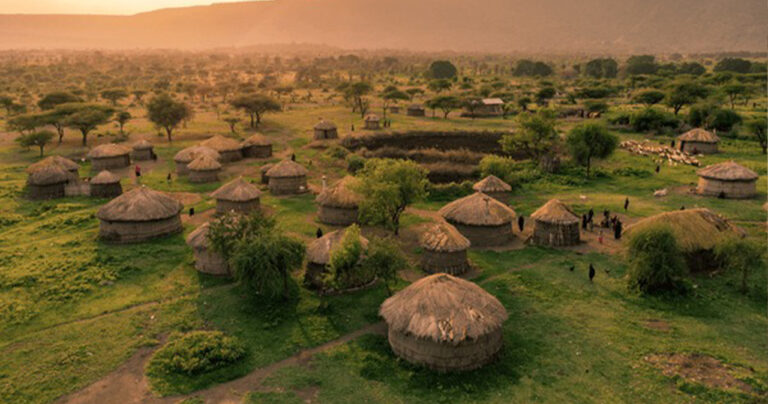
Tanzania is home to a wealth of heritage sites, from ancient Swahili towns and archaeological ruins to historic trading posts and cultural landmarks. These sites showcase the country’s diverse history, blending African, Arab, and European influences. For travelers seeking more than just wildlife and beaches, Tanzania’s heritage sites offer a journey through time and culture. This guide highlights the best heritage sites in Tanzania for 2025 and beyond.
Best Heritage Sites in Tanzania
1. Stone Town, Zanzibar
Stone Town, a UNESCO World Heritage Site, reflects the island’s Swahili, Arab, and European past.
Wander narrow alleys lined with historic buildings
Visit landmarks like the Old Fort, House of Wonders, and Sultan’s Palace
Explore spice markets and bustling bazaars
Tip: Hire a local guide to learn the hidden history and stories behind each building.
2. Kilwa Kisiwani and Songo Mnara Ruins
These southern coastal islands are UNESCO-listed sites showcasing Swahili city-states.
Discover ancient mosques, tombs, and trade centers
Learn about East Africa’s Indian Ocean trade history
Explore ruins surrounded by stunning coastal scenery
Tip: Bring sun protection and water — guided tours are recommended for context.
3. Bagamoyo Historic Town
Bagamoyo, once the final stop of the East African slave trade, is rich in history.
Visit old German colonial buildings and missionary sites
Explore the Bagamoyo Arts and Cultural Institute
Walk through markets and local streets for a cultural experience
Tip: Engage a local guide to understand the town’s role in East African history.
4. Kondoa Rock-Art Sites
The Kondoa Rock-Art Sites, UNESCO World Heritage-listed, feature ancient paintings.
View rock paintings depicting humans, animals, and rituals
Learn about the lives of early hunter-gatherers
Visit small villages nearby to experience local culture
Tip: Hire a certified guide to interpret the symbolism and history of the paintings.
5. Olduvai Gorge (Cradle of Mankind)
Olduvai Gorge is one of the most important paleoanthropological sites in the world.
Discover fossils and evidence of early human evolution
Visit the on-site museum for artifacts and educational displays
Combine with a safari in nearby Serengeti or Ngorongoro for a complete experience
Tip: Allocate a few hours for exploration and guided interpretation of findings.
6. National Museum of Tanzania, Dar es Salaam
The National Museum offers insights into Tanzania’s cultural and historical evolution.
Exhibits on archaeology, ethnography, and colonial history
Fossils, traditional artifacts, and historic photographs
Educational programs and guided tours
Tip: Combine with a city tour of Dar es Salaam for a broader cultural perspective.
7. Ruins of Mtoni Palace, Zanzibar
The Mtoni Palace Ruins provide a glimpse into Zanzibar’s royal history.
Explore remains of the Sultan’s residence and gardens
Learn about Zanzibari royal customs and architecture
Nearby mangroves and beaches offer scenic surroundings
Tip: Visit with a local guide to hear stories of Zanzibar’s sultans and historic events.
8. Pangani Town
Pangani, a historic coastal town, was an important trade and colonial hub.
Walk through old German colonial buildings and mosques
Visit the waterfront and local markets
Learn about the town’s role in the spice and slave trade
Tip: A guided walking tour enhances understanding of its historical significance.
9. Ruins of Marangu
Marangu, near Kilimanjaro, features old mission stations and early colonial structures.
Explore missionary buildings and historic churches
Learn about the region’s early European influences
Combine with Kilimanjaro trekking or cultural tours in Chagga villages
Tip: Early morning visits are ideal for cooler weather and clear photography.
10. Mkwawa Museum, Iringa
The Mkwawa Museum showcases resistance and history of the Hehe people.
Artifacts, traditional weapons, and cultural displays
Learn about Chief Mkwawa and the Hehe resistance against German colonizers
Located near scenic highlands of Iringa
Tip: Visit during the day for guided explanations of exhibits and local history.
Why Visit Heritage Sites in Tanzania?
Explore UNESCO World Heritage Sites and ancient ruins
Learn about Swahili culture, colonial history, and early human evolution
Experience a mix of architecture, archaeology, and traditional lifestyles
Combine cultural tours with wildlife safaris and beach holidays
Support local communities through sustainable tourism
FAQs About Heritage Sites in Tanzania
1. When is the best time to visit heritage sites in Tanzania?
Dry seasons, June–October and January–March, are ideal for comfortable exploration.
2. Are guided tours necessary?
Yes, guides provide context, historical details, and access to less-known areas.
3. Can heritage sites be combined with safaris?
Absolutely — many sites like Olduvai Gorge or Ngorongoro can be included in safari itineraries.
4. Are these sites family-friendly?
Yes, most sites are suitable for families and educational visits.
5. How do I reach these heritage sites?
Many are accessible via flights, ferries, or road travel from major Tanzanian cities.
Get a free Quote
Book Your Adventure


STEP CLIMB ADVENTURES
Tanzania’s leading travel company, guiding people to grow, find purpose, and connect deeply through powerful, life-changing adventures.
Best Heritage Sites in Tanzania – Explore History, Culture, and Ancient Wonders
- Education, Mountain Trekking Tanzania
- November 12, 2025