
Top Big Five Safari Destinations in Tanzania – Overview
Tanzania is one of Africa’s premier safari destinations, home to vast savannahs, lush crater floors, and diverse ecosystems where the legendary Big Five — lion, leopard, elephant, rhino, and buffalo — roam freely. Seeing all five in their natural habitats is an unforgettable experience for wildlife lovers. This guide explores the best places to see the Big Five in Tanzania for 2025 and beyond, from the world-famous Serengeti to the breathtaking Ngorongoro Crater and beyond.
Best Places to See the Big Five in Tanzania
1. Serengeti National Park
The Serengeti is the ultimate destination to witness Africa’s Big Five in action.
Home to abundant lions and elusive leopards
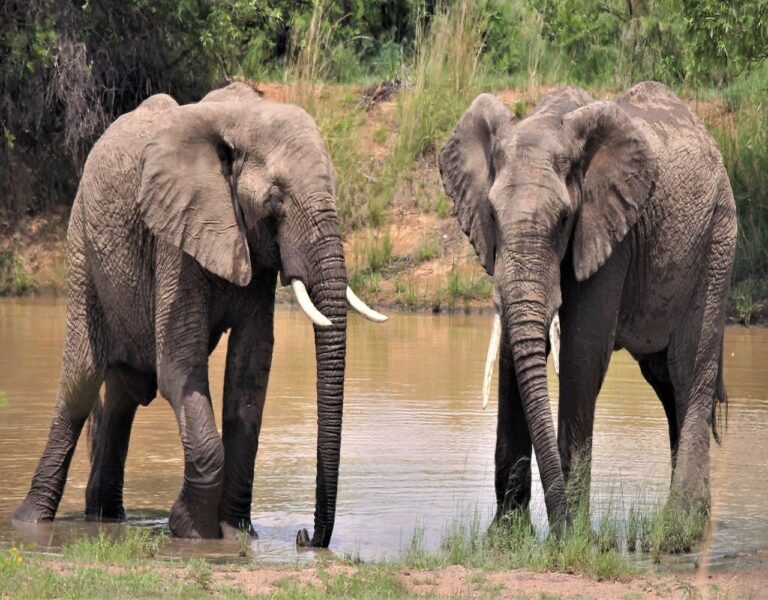
Massive herds of buffalo and elephants roaming the plains
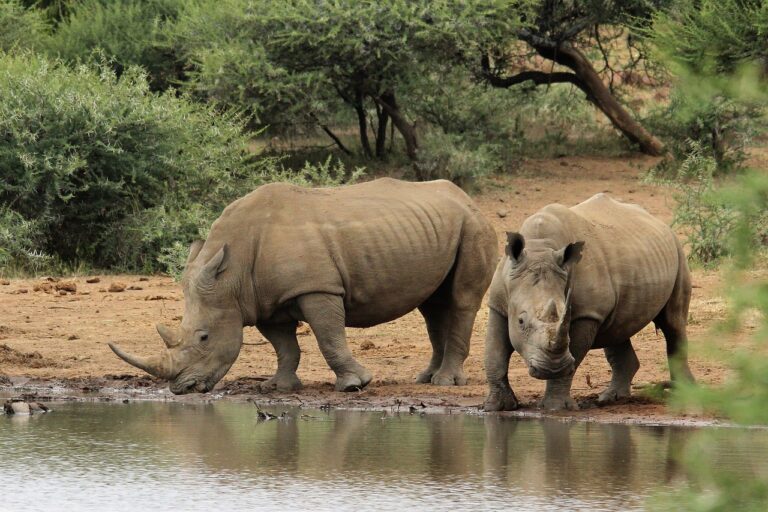
Black rhinos found in protected areas, mainly around Moru Kopjes
Also famous for the Great Migration and stunning landscapes
Tip: Visit from June to October for best Big Five sightings and the Great Migration river crossings.
2. Ngorongoro Crater
Known as one of the best wildlife viewing locations in the world, the Ngorongoro Crater offers unmatched opportunities to spot all Big Five in one day.
Dense wildlife population within a 260 km² crater
Excellent sightings of black rhinos, elephants, and lions
Beautiful scenery with lakes, forests, and open plains
Year-round accessibility with diverse habitats for each species
Tip: Early morning game drives are ideal for spotting predators and avoiding crowds.
3. Tarangire National Park
Tarangire offers an authentic safari experience with large elephant herds and excellent predator activity.
Famous for its elephant population and ancient baobab trees
Lions and leopards often spotted near the Tarangire River
Large buffalo herds and diverse bird species
Fewer tourists, ensuring peaceful game drives
Tip: Visit between June and October for dry-season concentration around the river.
4. Lake Manyara National Park
Although small, Lake Manyara provides excellent chances to see parts of the Big Five in a lush setting.
Home to tree-climbing lions and large elephant populations
Buffalo and hippos thrive near the lake’s shores
Scenic mix of forests, grasslands, and alkaline lakes
Ideal as a quick stop on the northern circuit
Tip: Combine with Tarangire and Ngorongoro for full Big Five coverage.
5. Nyerere (Selous) National Park
As Africa’s largest protected wildlife reserve, Nyerere offers remote Big Five encounters in a pristine environment.
Home to lions, elephants, and buffaloes in vast numbers
Leopards often spotted near riverbanks and wooded areas
Chance sightings of rhinos, though rare due to vast terrain
Boat and walking safaris for unique perspectives
Tip: The dry season (June–October) is perfect for spotting wildlife along rivers and lakes.
6. Ruaha National Park
Ruaha is a true wilderness destination offering classic Big Five safaris without the crowds.
Large populations of elephants and buffaloes
Strong presence of lions, leopards, and other predators
Rare but possible sightings of black rhinos
Raw landscapes with rivers, hills, and open plains
Tip: Combine Ruaha with Nyerere for a southern Tanzania Big Five experience.
7. Katavi National Park
For adventurous travelers, Katavi provides remote Big Five encounters away from mass tourism.
Large herds of buffalo and elephants dominate the plains
Lions and leopards frequently seen hunting near water sources
Untamed beauty with hippos, crocodiles, and rich birdlife
Perfect for off-the-beaten-path safaris
Tip: Visit between July and October for high concentrations around rivers and floodplains.
8. Mkomazi National Park
A lesser-known but rewarding park, Mkomazi offers a chance to see rhinos and elephants in a semi-arid landscape.
Home to a protected rhino sanctuary with guided tours
Elephants, buffaloes, and lions roam across savannah plains
Great backdrop of Mount Kilimanjaro and Usambara Mountains
Tip: Best visited from June to October during the dry season.
9. Mikumi National Park
Mikumi, often called the “mini Serengeti,” offers a compact Big Five safari experience.
Lions, buffalo, and elephants are easily spotted
Occasional leopard sightings in Miombo woodlands
Scenic game drives perfect for first-time visitors
Tip: Combine with Udzungwa or Nyerere for extended wildlife exploration.
10. Ngorongoro Conservation Area
Beyond the crater itself, the greater Ngorongoro Conservation Area provides more Big Five sightings.
Excellent for lions, elephants, and buffaloes
Occasional rhino sightings in remote zones
Opportunities to combine wildlife and Maasai cultural experiences
Tip: A guided multi-day safari enhances your chance of seeing all five species.
Why See the Big Five in Tanzania?
Tanzania is one of the few countries where you can see all Big Five in natural habitats
Diverse safari parks for different landscapes and wildlife densities
Excellent guides and lodges catering to all safari styles
Opportunities for photography, balloon safaris, and walking tours
Combines wildlife adventure with cultural and scenic diversity
FAQs About Seeing the Big Five in Tanzania
1. What are the Big Five?
The Big Five are lion, leopard, elephant, rhino, and buffalo — originally named for being the most challenging animals to hunt on foot.
2. Where is the best place to see all five in one trip?
Ngorongoro Crater and Serengeti National Park offer the best chances to see all Big Five in one safari.
3. Are rhinos easy to see in Tanzania?
Rhinos are rare but can be spotted in the Ngorongoro Crater and select Serengeti zones.
4. When is the best time for Big Five safaris?
The dry season (June–October) provides the best visibility as animals gather around water sources.
5. Can I combine Big Five safaris with cultural tours?
Yes! Many itineraries include visits to Maasai villages and heritage sites for a complete Tanzania experience.
Get a free Quote
Book Your Adventure

STEP CLIMB ADVENTURES
Tanzania’s leading travel company, guiding people to grow, find purpose, and connect deeply through powerful, life-changing adventures.
Best Places to See the Big Five in Tanzania – Ultimate Safari Encounters
- Education, Mountain Trekking Tanzania
- November 12, 2025