
Best Birdwatching Locations in Tanzania – Overview
Tanzania is a paradise for birdwatchers, boasting over 1,100 bird species, including endemic, migratory, and rare birds. From wetlands and forests to savannahs and mountains, the country offers a diverse range of habitats that attract a spectacular array of birdlife. Whether you’re a serious birder or a casual wildlife enthusiast, Tanzania’s top birdwatching locations provide unforgettable experiences. This guide highlights the best sites, bird species, and tips for 2025 and beyond.
Best Birdwatching Locations in Tanzania
1. Lake Manyara National Park
Habitat: Freshwater lake, swamps, and acacia woodlands
Key Birds:
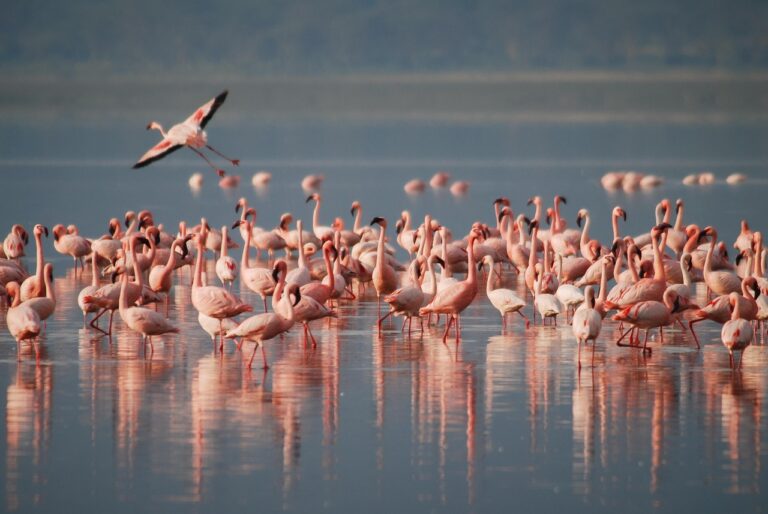
Greater and Lesser Flamingos
Pelicans, storks, and herons
Silvery-cheeked hornbills
Tip: Visit during the dry season (June–October) when water levels are lower, concentrating bird activity near the lake edges.
2. Ngorongoro Crater
Habitat: Grasslands, woodlands, and waterholes in a volcanic caldera
Key Birds:
Lammergeiers (Bearded Vultures)
Crowned cranes
Southern Ground Hornbills
Tip: Early morning walks and game drives provide opportunities to see both birds and other wildlife simultaneously.
3. Serengeti National Park
Habitat: Open savannahs and kopjes
Key Birds:
Secretary birds
Kori bustards
Martial eagles
Tip: Combine birdwatching with game drives for a full wildlife experience. Migratory birds can be spotted during the wet season (Nov–May).
4. Tarangire National Park
Habitat: Baobab-studded savannahs, riverine forests, and wetlands
Key Birds:
Yellow-collared lovebirds
Rüppell’s griffon vultures
African grey hornbills
Tip: River areas attract waterbirds; the dry season (June–October) is perfect for concentrated wildlife and bird spotting.
5. Ruaha National Park
Habitat: Miombo woodlands and savannah plains
Key Birds:
Ground hornbills
Lilac-breasted rollers
Martial eagles
Tip: Less visited than northern parks, Ruaha offers more remote and intimate birdwatching experiences.
6. Selous Game Reserve (Nyerere National Park)
Habitat: River systems, lakes, and dense woodlands
Key Birds:
African skimmers
Malachite kingfishers
Goliath herons
Tip: Boat safaris on the Rufiji River provide excellent opportunities to see waterbirds and other wildlife simultaneously.
7. Mount Kilimanjaro and Arusha National Park
Habitat: Montane forests and alpine zones
Key Birds:
Hartlaub’s turaco
Olive woodpecker
Jackson’s francolin
Tip: The forested slopes are ideal for spotting endemic species; guided walking safaris improve chances of locating elusive birds.
8. Jozani Forest, Zanzibar
Habitat: Mangroves and coastal forests
Key Birds:
Zanzibar red colobus (primates also included!)
Mangrove kingfisher
Paradise flycatchers
Tip: Combine with a cultural and nature tour; morning visits are best for bird activity.
9. Mafia Island
Habitat: Coastal forests, mangroves, and coral reef lagoons
Key Birds:
Pemba green pigeon
Mangrove sunbirds
White-breasted cormorants
Tip: Best visited during dry season (June–October) for optimal birdwatching and snorkeling combined experiences.
10. Lake Victoria and Surrounding Wetlands
Habitat: Freshwater lake, papyrus swamps, and reed beds
Key Birds:
African fish eagle
Papyrus gonolek
Malachite kingfisher
Tip: Ideal for migratory bird enthusiasts; early morning boat trips enhance viewing opportunities.
Why Birdwatch in Tanzania?
Home to over 1,100 bird species, including endemic and migratory species.
Diverse habitats: savannah, wetlands, forests, and coastal areas.
Combine birdwatching with safari, hiking, and cultural experiences.
Excellent opportunities for photography and wildlife observation.
FAQs About Birdwatching in Tanzania
1. When is the best time for birdwatching?
Dry seasons (June–October) are ideal for spotting concentrated wildlife and easier travel. Wet seasons (Nov–May) attract migratory birds.
2. Do I need a guide?
Yes, local guides increase chances of seeing rare and endemic species, especially in forests and remote areas.
3. What gear should I bring?
Binoculars, camera with zoom lens, field guidebooks, comfortable walking shoes, sun protection, and insect repellent.
4. Are birdwatching trips suitable for families?
Absolutely! Many parks and reserves offer safe and educational experiences for children.
5. Can I combine birdwatching with a safari?
Yes, most national parks and game reserves offer excellent opportunities to see birds alongside the Big Five and other wildlife.
Final Thoughts
Tanzania is a world-class destination for birdwatchers, offering diverse habitats and species across its national parks, forests, wetlands, and islands. Planning your trip around the seasons and consulting local guides ensures that you experience the best birdwatching opportunities while also enjoying other wildlife, landscapes, and cultural experiences.
Get a free Quote
Book Your Adventure

STEP CLIMB ADVENTURES
Tanzania’s leading travel company, guiding people to grow, find purpose, and connect deeply through powerful, life-changing adventures.
Best Birdwatching Locations in Tanzania – Your Ultimate Guide
- Education, Mountain Trekking Tanzania
- November 12, 2025