Highlight of this Tour
8 Days Lemosho Route – Kilimanjaro Climb (Full Guide & Itinerary)
The 8-Day Lemosho Route is one of the most beautiful, peaceful, and successful routes on Mount Kilimanjaro. Known for its excellent acclimatization profile and panoramic views of the western side of Kilimanjaro, Lemosho has become the top choice for trekkers who want a high summit success rate without large crowds.
This guide covers everything you need to know, including tour highlights, detailed itinerary, prices overview, packing list, FAQs, and expert tips.
Tour Overview
The 8 Days Lemosho Route combines stunning scenery, low crowds, and a gradual ascent. Starting on the western slopes of Kilimanjaro, the trail crosses some of the mountain’s best landscapes—rainforest, Shira Plateau, Lava Tower, Barranco Valley, and the final ascent via Barafu Camp to Uhuru Peak (5,895m).
This route gives climbers enough days to acclimatize, making it one of the safest and most successful options on the mountain.
Route Duration: 8 Days on the mountain
Success Rate: 92–95%
Difficulty: Moderate to challenging
Best For: Trekkers who want high summit success, great scenery, and fewer crowds
Start Point: Londorossi Gate
End Point: Mweka Gate
Tour Highlights
Trek one of Kilimanjaro’s most scenic and least crowded routes
Excellent acclimatization profile for higher summit success
Explore the beautiful Shira Plateau, a UNESCO World Heritage Site
Climb the famous Barranco Wall, an enjoyable non-technical scramble
Experience diverse ecosystems—from rainforest to arctic desert
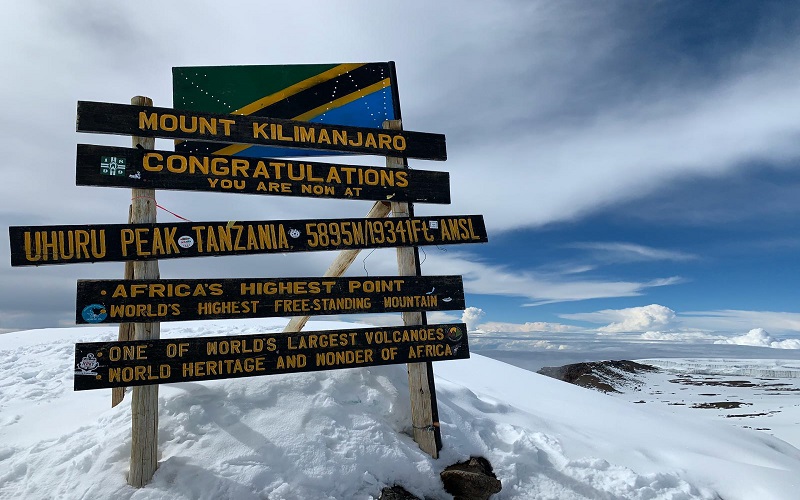
Reach the Roof of Africa: Uhuru Peak at 5,895m
Professional guides, quality mountain equipment, and safety monitoring
Perfect for both beginners and experienced trekkers
Why Choose the 8-Day Lemosho Route?
1. Highest Summit Success Rate
The extra acclimatization days allow your body to adjust gradually, significantly increasing your chances of reaching the summit successfully.
2. Most Beautiful Kilimanjaro Route
Lemosho is known for breathtaking landscapes, low traffic, and incredible sunsets over Shira Plateau.
3. Less Crowded Than Other Routes
Unlike Machame or Marangu, Lemosho has fewer climbers, offering a quieter and more enjoyable trek.
4. Perfect Acclimatization Strategy
The route follows the golden rule: climb high, sleep low, especially on the Lava Tower day.
5. Great for Both First-Timers & Experienced Hikers
Although challenging, the pace, trail structure, and gradual ascent make it suitable for beginners.
Day-by-Day Itinerary
Day 1: Lemosho Glades to Mti Mkubwa Camp
Elevation: 2,100m to 2,820m
Distance: 6 km
Hiking Time: 3–4 hours
Your adventure begins at Londorossi Gate for registration before driving to Lemosho Glades. The hike starts inside a lush rainforest filled with wildlife like monkeys, birds, and exotic plants. You’ll trek calmly until you reach Mti Mkubwa (Big Tree) Camp for dinner and overnight.
Day 2: Mti Mkubwa to Shira 1 Camp
Elevation: 2,820m to 3,500m
Distance: 8 km
Time: 5–6 hours
The trail climbs steeply out of the forest into the open moorland. Expect wider views and beautiful scenery. You will cross several ridges before arriving at the scenic Shira Plateau for your first taste of alpine desert.
Day 3: Shira 1 to Shira 2 Camp
Elevation: 3,500m to 3,850m
Distance: 7 km
Time: 3–4 hours
A short, easy acclimatization hike across the open plateau. This area is full of volcanic rock formations and panoramic sunset views. Spend the afternoon exploring or resting.
Day 4: Shira 2 to Lava Tower to Barranco Camp
Elevation: 3,850m to 4,600m to 3,960m
Distance: 10 km
Time: 6–7 hours
This is a key acclimatization day. You will hike to Lava Tower (4,600m), have lunch there, then descend to Barranco Camp. The climb high–sleep low technique helps your body adapt to thin air and improves summit success.
Day 5: Barranco Camp to Karanga Camp
Elevation: 3,960m to 4,035m
Distance: 5 km
Time: 4–5 hours
Start with an exciting scramble up the Barranco Wall, a steep yet safe and fun climb. At the top, sweeping views of Kibo and the southern glaciers await. Continue through ridges and valleys to reach Karanga Camp.
Day 6: Karanga to Barafu Camp
Elevation: 4,035m to 4,673m
Distance: 4 km
Time: 3–4 hours
A short but steep trek to Barafu Camp, your base for the summit push. After an early dinner, rest and prepare for the midnight ascent to Uhuru Peak.
Day 7: Summit Day (Barafu – Uhuru Peak – Mweka Camp)
Elevation:
Barafu: 4,673m
Uhuru Peak: 5,895m
Mweka Camp: 3,100m
Distance: 16 km
Time: 12–16 hours
Begin the summit push around midnight. Slow and steady, you climb toward Stella Point (5,739m) for sunrise. From here, walk along the crater rim to reach Uhuru Peak, the highest point in Africa.
Enjoy photos and celebration before descending to Mweka Camp for overnight.
Day 8: Mweka Camp to Mweka Gate
Elevation: 3,100m to 1,640m
Distance: 10 km
Time: 3–4 hours
Descend through lush rainforest to Mweka Gate, where you receive your summit certificates. After signing out, you’ll be driven back to your hotel for a well-deserved rest.
Frequently Asked Questions (FAQs)
1. How long is the Lemosho Route?
The route takes 8 days, offering the best acclimatization and summit success rate.
2. Is the Lemosho Route difficult?
It’s considered moderate to challenging. The long itinerary makes it manageable for fit beginners.
3. Do I need prior hiking experience?
No, but regular fitness training is recommended.
4. Can I climb Kilimanjaro without a guide?
No. Kilimanjaro National Park requires all climbers to use registered guides.
5. What is the success rate for the 8-Day Lemosho Route?
Approximately 92–95%, one of the highest.
6. Is altitude sickness common?
It can affect anyone. The route’s acclimatization helps, but guides monitor your oxygen levels daily.
7. What are the camping conditions like?
You sleep in high-quality dome tents with foam sleeping mats. Meals are served in a dining tent.
8. What should I expect on summit night?
Cold temperatures, slow pace, and steady climbing. The reward is the breathtaking sunrise at Uhuru Peak.
9. Can I rent climbing gear in Moshi or Arusha?
Yes. Most operators offer gear rental including sleeping bags, poles, and jackets.
10. How much should I tip the mountain crew?
Approximately $250–$350 per climber, depending on group size and service.
Tour Inclusions & Exclusion
Price Includes
Price Excludes
What Our Clients Say
"The safari exceeded all our expectations! From the professional guides to the luxurious tented camps, every detail was taken care of. We saw lions, elephants, and even a leopard! Truly unforgettable experience that I would recommend to anyone looking for a once-in-a-lifetime adventure."
"Climbing Kilimanjaro with this team was a life-changing experience. The guides were supportive, the porters amazing, and the acclimatization plan perfect. I reached the summit safely and felt well-cared-for throughout the trek. The entire team was highly professional and compassionate."
"Zanzibar was absolutely stunning! The beaches were pristine, the water crystal clear, and the accommodations were top-notch. The travel arrangements were seamless, and we appreciated the attention to detail in every part of the trip. Highly recommended for anyone wanting a tropical getaway."
"The cultural tour around Tanzania gave me a deeper understanding of local traditions and life. The guides were incredibly knowledgeable and engaging. Every village visit was enriching, and the interaction with locals was handled respectfully. I left with memories that will last a lifetime."
"Everything about this company is professional. Booking was easy, communications were clear, and the entire trip was perfectly organized. From safari lodges to transportation, nothing was left to chance. They truly care about their clients’ experience."
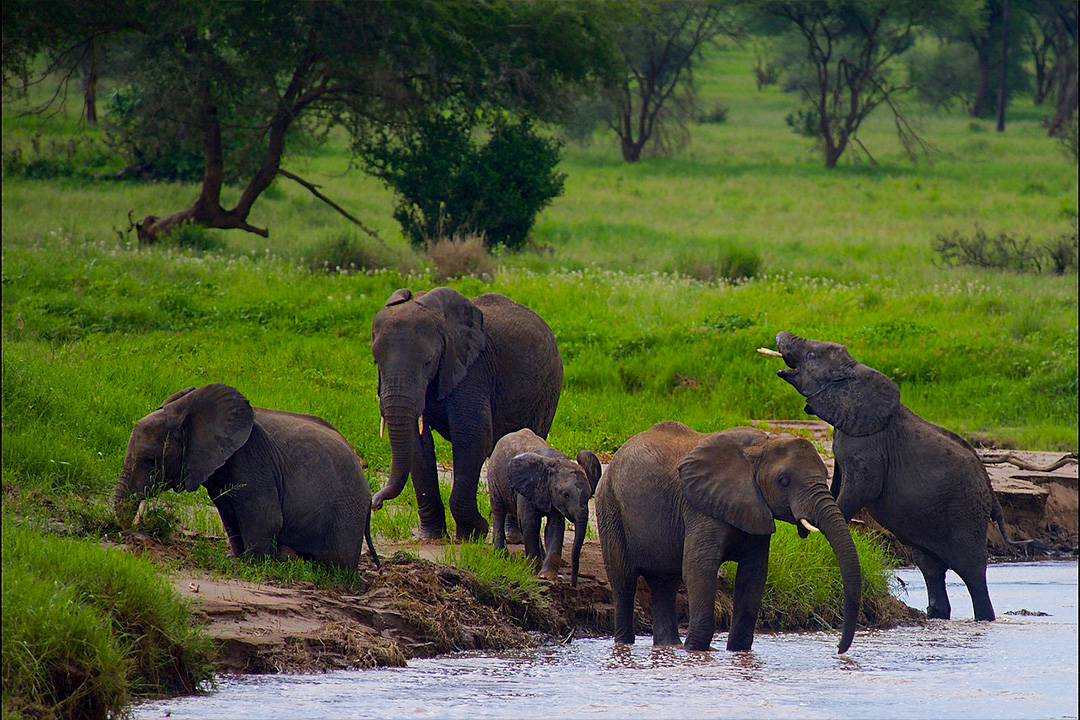
Tarangire
Nicknamed "Elephant Land," Tarangire National Park boasts incredible numbers of these magnificent creatures. Explore the park's diverse landscapes and see a variety of animals alongside the giants.
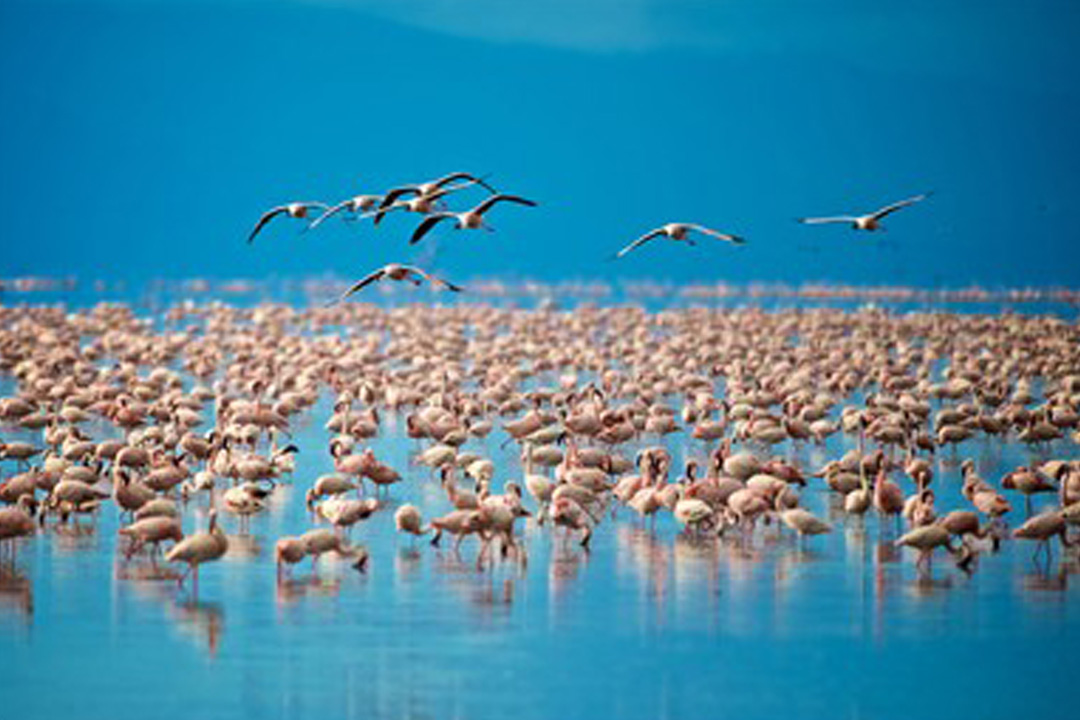
Lake Manyara
Nicknamed "Flamingo Paradise,"Lake Manyara stuns with its flocks of pink flamingos. Explore its diverse landscapes, spotting rare tree-climbing lions among other wildlife.
Ngorongoro
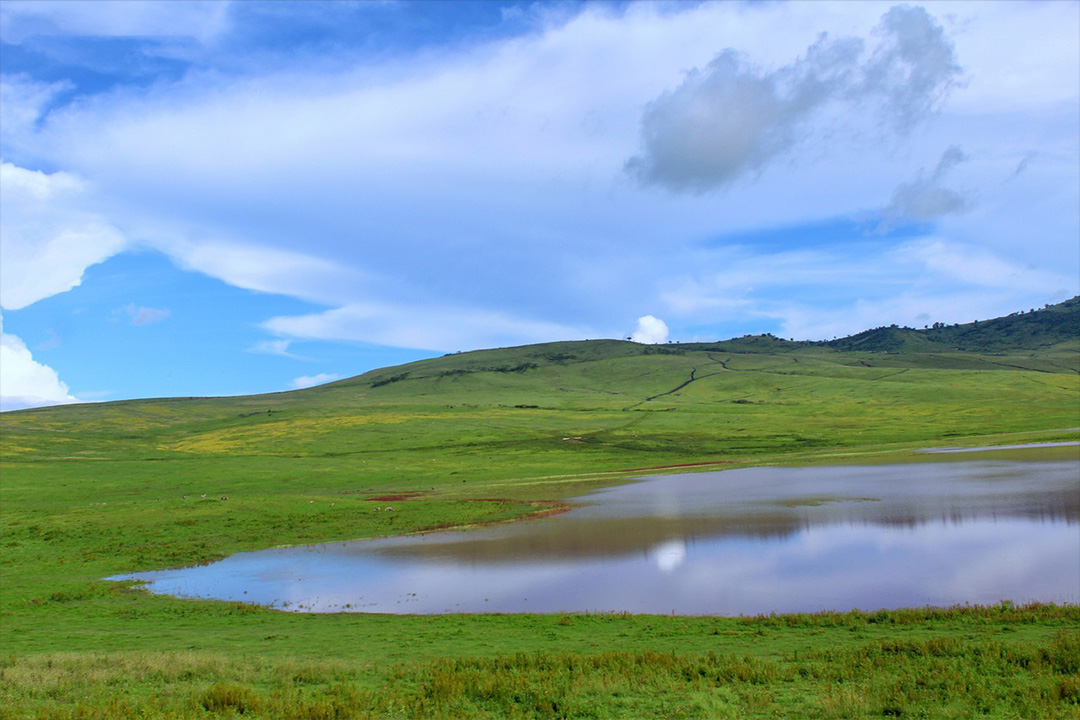
Step into a natural wonder at the Ngorongoro Crater. This unique ecosystem is a haven for wildlife, offering a chance to see a concentration of animals within the crater walls.